• TEAM
  • WORK
  • PACKAGES
  • BLOG
Get In Touch
  • TEAM
  • WORK
  • PACKAGES
  • BLOG
  • GET IN TOUCH

You’ve spent a lot of time building a website, posting on social media, and sending emails to your potential customers. But what if, even after all that hard work, people still aren’t biting?

Whether you’re trying to launch a fledgling business or just want more folks to buy what’s in their shopping carts, conversion rate optimization (CRO) will take your biz to the next level. The right CRO strategy converts more of your website traffic into actual sales, so it’s worth your time, whether you’re creating a new brand or taking your existing company up a notch.

The CRO process is a discipline with many moving parts. Fortunately, you have the power to maximize your website conversion rate with a few adjustments to your digital marketing strategy. Check out this guide to learn how CRO works and how to combine it with search engine optimization (SEO) for a jaw-dropping increase in your number of conversions.

What Conversion Rate Optimization Is (And What It Isn’t)

Conversion rate optimization is a systematic way to get more people on your website to take a specific action (also known as a conversion). That could be buying something, signing up for a newsletter, or taking any other desired action. Unlike other marketing strategies that emphasize awareness and views, CRO focuses on how effective you are at converting visitors, so this is a must-track metric for any business that needs tangible results.

Everybody approaches CRO differently, but it can include:

  • Using CRO tools to measure your conversions
  • A/B testing
  • Installing heatmaps
  • Landing page optimization
  • Overhauling the user experience
  • Adding strategic calls to action (CTAs) to your site

CRO is many things, but it isn’t just about attracting visitors to your homepage. That’s where SEO and content marketing come into play. In this guide, we’ll talk about how SEO and high-quality content draw visitors, but it’s important to recognize that they’re only a piece of your broader conversion rate optimization strategy.

For example, your blogs won’t get many conversions if your website is slow or buggy. Everything has to work together to increase conversions, so think of CRO as a holistic strategy that improves your average conversion rates.

CRO also isn’t a one-and-done item on your to-do list. It requires ongoing experimentation. People, the internet, and the world are always changing, so you must keep up your optimization process to stay on top of these evolving expectations. Otherwise, you’ll have to play catch-up, which could give the competition an advantage — and you don’t want that!

The One-Two Punch of SEO and CRO

SEO and CRO are distinct disciplines, but they’re two sides of the same coin when it comes to building a successful online presence. SEO gets users to your site by improving your visibility in the search engine results pages (SERPs), while CRO converts those website visitors into active customers. If you can learn to use the two together effectively, you’ll create a conversion powerhouse that amplifies your brand performance.

Fortunately, what’s good for SEO is good for CRO, and vice versa. If you want to improve your standing on the search engines and convert more of the folks who visit your site, try these five SEO-centric CRO tactics.

1. Keyword-Driven Landing Page Optimization

Every SEO strategy starts with keywords. The goal is to attract your target audience to specific landing pages using key phrases. That sounds simple enough, but a lot of research should go into choosing your keywords and strategically placing them throughout your landing pages.

Use tools like Google Analytics, SEO tools like Semrush, or even Amazon Search if you have an e-commerce site. These free tools will make it a cinch to find keywords that are both popular and aligned with purchasing intent. What a win!

Keywords in hand, place them in several places on your landing page, including:

  • Header and subhead
  • Image alt text
  • Meta description
  • Header tags

Don’t overlook the impact of the meta description here. This is the snippet search engines pull to tease your site content to searchers, so always include relevant search terms—without keyword-stuffing, of course.

2. Persuasive Messaging

Plugging keywords into a landing page is a smart way to attract more search traffic to your site, but that’s just the beginning of your relationship with site visitors. This is conversion rate optimization, so you don’t just want visits, you want action.

Compelling copy is your best shot at getting people to subscribe, buy, or comment. Effective copy captures your audience’s attention, guiding them through the conversion funnel until they take a desired action.

Copywriting is a separate discipline in and of itself, but you can optimize the copy on your site by:

  • Creating customer personas to help you understand search intent and pain points.
  • Experimenting with headlines. Use CoSchedule’s free Headline Analyzer to pick the snappiest options.
  • Adding photos, infographics, audio snippets, GIFs, or videos to your website. Multimedia breaks up the copy for human readers and gives them a richer experience, so be generous with your content formats.
  • Highlighting benefits. Listing functionalities is fine, but most people want to know how your product or service improves their lives. For example, instead of saying “72-hour battery life” on a product page for a smartwatch, say “Save time by only charging every three days.”
  • Adding social proof and testimonials from real customers.

3. Targeted CTAs

Maybe site visitors aren’t taking action on your site because they aren’t sure what you want them to do next. That’s why calls to action are so critical. They funnel users through your website, making it crystal clear what action they should take. Effective CTAs bridge the gap between casual browsing and decisive action, so this is a must-try CRO content tactic.

Improve the quality of your CTAs by:

  • Promoting only one CTA per webpage.
  • Using action verbs like “Buy Now,” “Learn More,” “Join Free for a Month,” or “Get Started” that leave no ambiguity about what you want people to do.
  • Strategically placing CTAs above the fold.
  • Creating a sense of urgency with phrases like, “Offer ends soon.”
  • Urging action with incentives like “Sign up now and get 50% off.”

4. User Experience Improvements

If users have a hard time navigating your website, it’s almost impossible to see meaningful gains in conversion rates. The better your site’s usability, the more visitors will convert. And the more people convert, the more search engines will pick up on your site’s quality—and potentially rank you higher in search.

Improve the customer experience by:

  • Boosting your website page speed. Do a website speed test with the free Google PageSpeed Insights tool.
  • Optimizing your site for mobile devices first. Use responsive design that adjusts to users’ devices.
  • Removing potentially irritating elements, like pop-ups or finicky checkout processes.
  • Streamlining your site navigation so it uses a logical hierarchy that makes it easy for users to discover what they’re looking for.
  • Improving accessibility by following WCAG standards.

When in doubt, ask someone to navigate your website as a user and note areas of friction. Heatmap tools like Hotjar will also highlight these areas, although sometimes it’s still helpful to get a human perspective.

5. Data-Driven Analysis

Both CRO and SEO rely on data to pinpoint what’s working and what needs tweaking. Run CRO tests on all the elements of your site, from keywords to CTAs to the user experience, to find what resonates best with users. Sometimes, something as small as changing the color of a CTA button can reverse your fortunes, so don’t overlook the power of experimentation!

Conduct data-driven analyses by:

  • Conducting regular multivariate testing (testing multiple variables at the same time) or A/B testing (checking two versions of a page).
  • Checking analytics tools like Google Analytics to understand user behavior.
  • Segmenting user data to see how different demographics behave on-site.
  • Setting up conversion rate optimization tools like Hotjar to see which parts of your website engage users and which parts are … less than engaging.
  • Paying for user testing to get people’s unbiased opinions.

Get Higher Conversion Rates With Content-Driven CRO

You can do conversion optimization until your fingers go numb, but it’s best to spend your energy and resources on CRO strategies that move the needle for your growing business. Combine SEO and CRO to execute strategies that not only attract more visitors from the search engines but also persuade more of them to stick around and engage with your business.

Content is an important part of CRO, but it’s also one of the hardest to execute, especially for busy business owners. If you don’t have ten hours a week to devote to SEO and content (and who does?), go with MBE Group.

Our team of SEO experts fills in the gaps, managing everything from strategy to optimization to get real, measurable results for your website. Contact MBE Group today to see how to boost conversions through powerful, SEO-ready content.
You’ve done the hard work of building a business from the ground up. From hiring the best team to designing world-class products and services, you’re ready to take the world by storm. Now, it’s time to start promoting your business to potential customers.

But marketing comes with a sea of possibilities. Just Google “business marketing strategies” and the sheer number of marketing approaches will overwhelm you.

Instead of trying everything and anything, it’s critical to define which types of marketing work best for your business and focus your energy there. After all, a technology consulting firm isn’t the same as a small business selling small batches of handmade soap.

The type of marketing you choose matters because every marketing strategy requires a different approach. In this guide, we’ll break down the most common forms of marketing you’ll encounter, explain how they work, and help you decide which types of marketing are best for your biz.

B2B vs. B2C Marketing

Before we look at channel-specific marketing, we have to understand the difference between B2B (business-to-business) and B2C (business-to-consumer) marketing. Each approach focuses on a different target audience, which affects the marketing channels you choose.

In B2B marketing, you sell products and services to other businesses. This type of marketing has a longer sales cycle but usually has higher-value transactions. For example, you might only pursue a handful of clients at a time but rake in hundreds of thousands of dollars. Instead of targeting everyone on the internet, you tailor campaigns only to a very specific type of business owner or employee. Trade shows, webinars, and LinkedIn social media marketing are popular strategies in B2B.

B2C marketing, on the other hand, targets individual consumers. This marketing strategy is usually more product-focused and emotional. Most B2C purchases happen pretty quickly but at a lower price point than B2B transactions. Influencer marketing, paid ads, and content marketing are super popular for B2C.

It’s important to note that you can do both traditional and digital marketing for B2B and B2C. We recommend understanding which type of audience you’re targeting first, though, so you choose the right mix of traditional and digital marketing approaches that will work for your business.

Traditional Marketing

Traditional marketing might not be as sexy as different types of marketing, but it still has a place in your marketing mix.

Most traditional marketing approaches focus on outbound marketing, where a business actively reaches out to customers, usually without customers expressing interest first. That isn’t a bad thing, but it’s the reason why traditional marketing approaches tend to have lower engagement rates than inbound approaches.

Although traditional methods might have fallen out of favor, they can still play a complementary role to the other strategies in your marketing mix.

Direct Marketing

Direct marketing is a strategy where you directly communicate with potential customers. It’s useful if your sales strategy requires more of a personal touch or multiple touchpoints.

Direct mail is a type of direct marketing where you send physical mail, like postcards, to the homes or offices of your target audience. Not everyone will take action on direct mail, but if you combine special offers, coupons, or exclusive discount codes with the campaign, you’ll see way higher engagement rates.

Word-of-Mouth Marketing

Word-of-mouth marketing is the most powerful and ROI-friendly form of marketing. Although it started out as a more traditional form, it can actually happen via any type of marketing.

Think of this as the original form of organic marketing, where people learn about your business purely because of its quality, not marketing hype. When a happy customer refers a family or friend to your business, that recommendation carries way more weight than, say, a newspaper ad or a social media post.

Referrals are a prime example of traditional word-of-mouth marketing, especially in B2B. In fact, a lot of businesses encourage referrals by offering incentives to clients who bring in new customers. Offer referral bonuses and the number of qualified new customers coming through your doors will definitely increase!

Event Marketing

Event marketing is a traditional type of marketing that can happen either in person or virtually. The goal of event marketing is to create a memorable experience connecting shoppers or decision-makers more directly with your brand. Most people will walk by a billboard or delete a promotional email without a second thought, but it’s harder to ignore you if you’re in the middle of the street with a jazz band.

Event marketing takes many forms, from pop-ups to trade shows to conferences to webinars. Try event marketing to launch a new product, promote a brand in a new market, or simply network with potential B2B leads.

Guerrilla Marketing

Guerrilla marketing is an underused type of marketing that, while hard to pull off, creates a stir both in person and online. It creates memorable brand experiences not through events but through unconventional ways that create a buzz—and often go viral online.

For example, flash mobs and unique street art installations are effective ways to get your brand noticed without a big budget. The goal is to create something so unique, surprising, and engaging that people naturally want to share it with everyone they know, leveraging word-of-mouth marketing across all channels.

Digital Marketing

Digital marketing is the marketing strategy du jour. Most digital marketing strategies use inbound marketing techniques, where you attract customers to your brand instead of hunting them down yourself. This comes with the added benefit of knowledgeable, curious audiences primed for interaction and purchases.

Marketers tend to prefer digital marketing over traditional marketing because it’s easier to track and set up. And it doesn’t hurt that most digital strategies are dirt cheap. Billboards cost hundreds of dollars, while it costs next to nothing to publish a blog.

Whether you’re a mid-sized business primed for growth or a small business looking to carve out your niche online, these types of marketing will definitely help your brand grow.

Content Marketing

Content marketing can happen via traditional avenues like newspapers or billboards, but it’s much more effective online. With content marketing, you create content that adds value instead of directly promoting your brand or product. This less in-your-face form of marketing solves your target audience’s pain points through content like:

  • Blog posts
  • Videos
  • Infographics
  • Podcasts

Content marketing is a form of organic marketing where you connect with potential customers naturally, without paying for exposure. If you play your cards right and create content consistently, you’ll find yourself standing out in the search engines and social media, attracting customers every time you click “Publish.”

The key is to create quality content consistently, and that’s no small feat. Fortunately, there’s no need to clone yourself to do it all. MBE Group’s team of SEO and content experts help you take advantage of this type of marketing for zero fuss, handling the entire process for you. See how MBE Group tripled a B2B website’s traffic in six months with search engine-optimized content.

Search Engine Optimization

Search engine optimization (SEO) is an organic digital marketing tactic that makes your website more attractive to search engines. The higher quality they think your website is, the more likely they are to recommend it to people looking for products, information, or solutions like yours.

SEO mostly affects your website copy, but also has an impact on everything from your product listings to your site’s technical back-end setup. Work with a technical SEO specialist, content team, or web developer to properly display your website to search engines.

Email Marketing

Email marketing is a subset of content marketing, but it’s so effective that it deserves its own category. With email marketing campaigns, you need people to opt into your email list, but if you can get them to do that, you’ll have a direct line of communication to send them your latest blogs, sales, and other helpful information.

Email campaigns are best for relationship nurturing. Use it to announce new products or deliver tailored content to specific audience segments. It’s a cost-effective way to reach potential customers, boost brand awareness, and drive sales.

Pay-Per-Click (PPC) Ads

PPC ads are the most expensive type of search engine marketing (SEM). Paid ads via platforms like Google Ads are a great way to buy visits to your site instead of earning them organically. This paid marketing strategy is helpful for getting immediate clicks on your website and products, but you pay every time someone clicks on your stuff—and the costs add up pretty quickly.

Sure, you’ll show up in search engine results pages (SERPs) faster with paid ads than with organic SEO, but at a cost. This is an effective strategy for driving targeted traffic to your website, but it requires a budget and an experienced hand, so only invest in PPC after you’ve exhausted other types of marketing first.

Social Media Marketing

Social media marketing is another subset of content marketing. With this type of marketing, you sign up for social media platforms like Instagram, Facebook, LinkedIn, and TikTok to connect with your audience. It’s a versatile form of marketing that includes everything from paid ads to organic content and community management.

You can definitely make sales on social media, but the main goal is to engage with your audience and build a community around your brand. Plenty of shoppers and potential clients will check out your social media presence before doing business with you, so this is a crucial way to build trust in your brand.

Influencer Marketing

Influencer marketing is popular on social media, but it also happens via podcasts and blogs. With this approach, you hire people with a significant online following to promote your brand.

As long as you partner with the right influencer, you’ll have a say in their followers’ purchasing decisions and (hopefully) convince them to give your brand a try. This type of marketing is best if you want to engage with your audience in a more authentic, engaging way. It’s especially helpful if you’re a new brand looking for clout in an established space.

Affiliate Marketing

Affiliate marketing is a type of performance marketing where you reward affiliates for bringing paying customers to your brand. It’s a win-win arrangement: Your business gets more customers, and affiliates earn commissions from each sale.

Affiliate marketing is similar to influencer marketing. But instead of paying affiliates outright for their work, you pay them a commission every time they bring a paying customer to your site. There’s no guarantee of success with influencer marketing, but you only pay for results with affiliates. That arrangement makes affiliate marketing a perfect choice for resource-strapped brands craving results.

Bolster Your Marketing Plans With MBE Group

There are so many types of marketing to choose from. When in doubt, go with a mix of marketing methods that won’t break the bank. Tactics like paid ads, events, and influencers will certainly turn heads, but start with organic approaches first. This will lay the foundation for more successful paid strategies in the future.

Whether you invest in email, social media, or affiliates, SEO and content marketing underpin every part of a marketing strategy. Effective marketing isn’t just about picking the right channels but also about creating high-quality content that customers and search engines can’t get enough of.

Consistency is key, and that’s where MBE Group comes in. Our team crafts well-researched, expert content tailored to the nuances of your business and target audience. See the difference firsthand: Contact MBE Group to build a content marketing strategy that gets measurable results.

We don’t need to tell you how much content is out there on the internet. As a brand, you don’t want to create content for the sake of adding another voice to the already too-loud conversation — you’re here to connect with potential customers. Moments of real connection often translate into engagement, loyalty, and revenue, so the stakes have never been higher for businesses.

The thing is, not all of your content will appeal to all customers. Everyone is at a different stage of getting to know your brand, from first learning about your company to following you faithfully on social media for years.

Instead of churning out content, crossing your fingers, and hoping people find it interesting, leverage a content funnel to meet your customers where they are right now. With a content funnel, you create various types of content that nurture readers through different stages of engagement until they (hopefully) make a purchase decision.

In this guide, we’ll explain what a content funnel is and show you how to leverage this content marketing strategy to win over your target audience at every stage.

What Is a Content Funnel?

A content marketing funnel is a strategic approach to content creation and distribution. With funneling, you guide potential customers through different stages of the buying process with carefully curated content designed for their current knowledge, needs, and next steps. Content funnels are the best way to ensure every piece of content serves a specific purpose, nudging prospects along their customer journey.

A content funnel works with the customer journey, which happens in three key stages:

  1. Awareness: Also known as top-of-the-funnel (TOFU) marketing, in the awareness stage, the focus is all about educational content.
  2. Consideration: Middle-of-funnel (MOFU) content helps customers understand potential solutions to their problems.
  3. Conversion: Bottom-of-the-funnel (BOFU) marketing is very pointed and more sales-focused. The goal is to inspire your audience to take action, whether that’s making a purchase, subscribing to your email list, or taking any other desired action.

Instead of turning off awareness-stage customers with conversion-focused sales offers, the content funneling approach helps you create content that’s appropriate for where the customer is at. Just like you wouldn’t ask someone to marry you on the first date, a content funnel helps you build rapport with your audience and deepen relationships organically over time — which leads to increased sales!

Sure, that means you need to create more content and finesse your distribution strategy, but a content marketing funnel comes with so many benefits, including:

  • Aligning content with customer needs
  • Efficient lead generation and nurturing
  • Improved brand awareness and trust
  • Marketing ROI

With a content funnel, you don’t produce content blindly. You create the right experience for the right audience, at the right time. This is a fundamental part of digital marketing that moves prospective customers from awareness to making definitive purchase decisions.

How to Create Content for Each Customer Journey Stage

Funnel marketing is the best way to get results from your organic marketing initiatives, but it does require careful planning. Each stage of the buyer’s journey requires different topics, calls to action, and content formats. Follow this simple blueprint to strategically align your content with each stage of the customer journey.

Top-of-Funnel Awareness Content

Top-of-funnel content is all about creating brand awareness. Instead of droning on about your product or service’s features, you should focus on attracting potential customers who are at the earliest stage of the buyer’s journey. They’re just beginning to recognize a problem or need, but aren’t considering specific solutions just yet.

This is the perfect time to build trust and position your brand as an authority in the space with TOFU content that’s informative and broadly appealing. The goal is to draw in a wider audience. You’re casting a wide net here to pull in folks who have an interest in your industry, offer valuable information, and establish yourself as a leader in the space.

You’re not out to ask for their business—at least, not yet.

The best types of content for the awareness stage are:

  • Blog posts
  • Social media updates
  • Infographics
  • Educational videos posted to TikTok, Instagram Reels, or YouTube

Awareness-stage content should be easy to consume and share. Go with engaging and interactive formats, like how-to videos, checklists, and e-books that don’t require any kind of commitment from the reader. They don’t want to subscribe to your email marketing list just yet, so supply awareness-stage content without any strings attached.

To spread the message quickly, you’ll need to use more distribution channels for awareness content. But instead of posting content everywhere, focus on posting content where your audience is most likely to find it. You might need to create buyer personas to figure this out. The most popular options are social media platforms (like LinkedIn or Instagram) and search engines (through SEO optimization).

Awareness content is a teaser of what’s to come. Not all awareness-stage prospects will move on to the next stage, and that’s okay. The goal is to cast a wide net for now and start plenty of conversations.

Mid-Funnel Consideration Content

In the consideration stage, your audience knows about your brand and solutions. They’re actively considering options right now.

In the middle of the funnel, content shifts from broad, educational topics to more solution-oriented content. You don’t need to go in with a hard sell just yet, but give prospects a way to evaluate their options.

Right now, the goal is to deepen your relationship with the audience. You can do that by providing detailed, high-quality information that helps with decision-making. These leads need a lot of nurturing, so now’s the time to showcase your expertise and unique value proposition.

Whip out your more comprehensive content here, which can include:

  • Long-form content like white papers and case studies
  • Webinars
  • Detailed blog posts (bonus points if you include graphics and screenshots)
  • E-books
  • How-to videos
  • Podcasts

In-depth guides, interactive demos, or expert interviews are great options for this part of the content funnel. If you play your cards right, you’ll show prospects that your brand is, naturally, the best solution for their problem.

While awareness-stage content is pretty general, consideration-stage content is more targeted. Instead of blasting content to everyone who will listen, send it to folks who express interest. At this stage, experiment with more targeted distribution channels like:

  • Segmented email newsletters catering to specific interests, buying history, or hobbies
  • Retargeting campaigns on social media
  • Personalized outreach through platforms like LinkedIn. This is ideal if you’re doing B2B funnel or account-based marketing (ABM)

MOFU content should strike a balance between being informative and persuasive. Try not to come on too strong. Be helpful and lay out the facts, giving customers clear reasons why your brand is the best choice without pressuring them to buy right away.

Bottom-Funnel Conversion Content

It’s showtime! At this stage of the content funnel, the focus is on purchasing decisions. BOFU content focuses on converting curious prospects into paying customers.

At the decision stage, content should be highly persuasive and focused on closing the deal. Address last-minute doubts or questions, highlighting the benefits and unique selling points of your product or service. Build your prospects’ confidence with winning, conversion-friendly content that addresses their concerns.

The best content formats for bottom-of-funnel content are:

  • Product demos
  • Customer testimonials and success stories
  • Detailed case studies
  • Sales-focused landing pages
  • Comparison guides

The more engaging you can make this, the better. In-depth articles, video testimonials, interactive demos, pricing, and personalized presentations are all great for this stage of the content marketing funnel.

If you have a sales team, leverage them to do personal outreach via social media or email. Marketing and sales usually work together at this stage of the content funnel, providing information and encouragement to bring in more paying customers. The key is to give your audience clear, compelling reasons to choose you over everyone else, all while making the purchase process as smooth and reassuring as possible.

Drive Traffic With Funnel-Optimized Blog Content

You put a lot of time and effort into creating content. Shouldn’t you get results for your hard work? Creating a content funnel is the single best way to see results from organic marketing because it gives customers a better experience by meeting them where they are.

There’s just one little problem. It takes a lot of time to create a content funnel strategy, let alone implement it. That’s where MBE Group comes in. Our experienced SEO team strategizes, writes, and optimizes well-researched content that your readers will love. If you don’t have 10 hours a week to devote to SEO content yourself, offload it to the experts to get serious organic gains in just a few months.

Contact MBE Group now to create a cohesive content strategy that guides users seamlessly from awareness to conversion.

Social media influencers have carved out a key role in the marketing world, and are vastly important for big and small brands alike. According to Statista, social media influencing was a $16.4 billion global business in 2022 – an increase of more than 256% during the past five years.

It’s a booming business because it helps create business. The right influencer – on the right channels – helps establish credibility and a community connection that often drives purchasing decisions for consumers. For example, a recent study by The Social Shepherd showed that 61% of customers trust influencer recommendations, while only 38% trust branded-only social content.

Whether you are B2B or direct to consumer, your business goals can be supported via influencers who can help:

  • Build brand awareness
  • Educate audiences
  • Inspire action

Influencer marketing will continue to play a critical role and, when managed correctly, is an effective way to grow your brand awareness. These programs can be overwhelming simply because of the number of influencers out there, combined with the number of channels, and of course, the budget (or lack thereof).

HOW WE WORK WITH AUTOMOTIVE SOCIAL INFLUENCERS

MBE Group provides turnkey influencer program management, or a la carte services. Our influencer efforts are wide-ranging, but we start by identifying the types of influencers who are the best fit for your brand, which could include a mix of the three types below.

1. Mega Influencers (reach)

Actors, artists, athletes and social media stars who have 1M+ followers and drive 2% –5% engagement per post.

2. Micro Influencers (topical relevance)

Executives, bloggers and journalists who have 10,000 to 1M followers and drive 5% –25% engagement per post.

3. Macro Influencers (brand influence)

Everyday consumers or employees who have 500 to 10,000 followers and drive 25% –50% engagement per post.

HOW TO START A SOCIAL INFLUENCER PROGRAM

The key to success with any social media influencer program is first to understand your audience and goals. Know your market, your demographic and their interests. From there, start with what you can manage: Vet your influencer pool, set your budget and, most importantly, define your expectations for the influencer you’re hiring.

Determine exactly what you want from each influencer. Everything from the channel, number of posts, photo vs. video content, any in-person engagements, etc., and get to work. Above all, ensure that you’re providing solid content to your audience.

Once you get up-and-running, use the data to determine next steps. Review content engagement, and work to keep your audience engaged.

To execute successful social media influencer campaigns, our team establishes KPIs, monitors the duration of the campaign and reports on findings. Our team also supports with initial discovery, influencer research, negotiations and ongoing management. Our skilled social team helps to curate and coordinate content to maximize your messaging.

And, don’t forget: Influencer programs should always be a part of a wider integrated marketing program that links up with public relations, advertising, events, organic social media and any other direct customer outreach.


Contact us to learn more about our experience working with social influencers and how it’s helped to grow automotive brands.


Many of today’s SEO conversations center around how to get your business to rank higher on the search engine results page (SERP). But while improving your content to get to the top of the page is important, SERP features are equally valuable real estate that can’t be overlooked, especially if your goal is to boost online visibility.

Today’s SERP features go beyond the traditional organic search results. The more you familiarize yourself with them, the more you can uncover innovative ways to capture user attention and climb to the top of the SERP.

Let’s unpack exactly what SERP features are and how you can optimize your website content to build your online presence.

What Are SERP Features?

SERP features refer to the various elements that appear on Google’s search results page. You can think of them as a giant filter designed to help searchers find answers to their queries faster.

They also happen to be a crucial part of enhancing your site’s search visibility.

Over 8.5 billion searches are processed by Google every single day, and Google is making it easier and easier for searchers to find the answer they need.

A quick glance at the results page will reveal a number of components that you might have overlooked in the past. SERP features offer users much more than a list of blue links directing them to a website. These are some of the most common SERP features you might encounter:

  • Featured Snippets: Short excerpts from webpages that directly answer user queries without having to click any links. These are displayed at the top of search results, often referred to as “position zero.”
  • Knowledge panels: Found on the right side of the search results, they provide a comprehensive overview of entities like businesses, celebrities, or landmarks, and are aggregated from various information sources.
  • Local packs: Specialized listings that appear for local search queries, highlighting nearby businesses or services on a map, along with key details like addresses, reviews, and hours of operation.
  • Product listings: Especially important for businesses in e-commerce and retail, these enhance the visibility of products directly within search results, providing valuable information to customers who are considering making a purchase. They may include star ratings and feature short excerpts from product descriptions or reviews.
  • Image carousels: A horizontal scroll of Google images related to the search query that allow users to visually browse through a collection of relevant photos, and often accompanied by brief captions or titles.

5 Strategies to Maximize Your Brand’s Online Visibility Through SERP Features

Capturing SERP feature real estate takes strategic planning. By blending these SEO best practices and content optimization tactics, you can increase your chances of visibility on the search results page.

1. Target Featured Snippets

If you want your brand to appear in Featured Snippets, understanding user intent is key. Here are some strategies you can explore to increase the chances of your content capturing a Featured Snippet.

Identify Opportunities for Featured Snippets

Tools like AnswerThePublic and Google’s “People Also Ask” box can help you find related questions and narrow in on search intent to better understand what your audience is looking for.

Taking these user needs into consideration can help you create better content by ensuring that it provides clear, concise answers to common questions. The more succinct, the better!

If you’re still feeling stuck, take a look at current Featured Snippets in your industry or niche. What are your competitors writing about? What gaps or opportunities exist to provide a better answer? Chances are, there’s always something you can improve upon.

Pay Attention to Content Structure

The quality of your content is imperative if you want to capture a Featured Snippet. But in the quest for quality, don’t overlook the basics of content structure.

For example, you can use headings that are phrased as questions commonly searched by your audience. Then, underneath those headings, provide clear and concise answers, aiming for an optimal length of around 40-60 words.

You can also use things like lists, tables, and bullet points in your content, as these tend to be pulled into Featured Snippets. In particular, use these formats to present steps, comparisons, rankings, or groups of information.

Update Your Content Regularly

One of the biggest factors that influences your content’s likelihood of being selected for a Featured Snippet is content freshness.

Having fresh content means keeping it relevant. To achieve this, revisit your top-performing blog posts and long-form content every so often to make sure the information is still current. Add any new updates or additional details that you think might make it more valuable to your audience.

These changes not only drive new traffic to older pieces of content, they also signal to search engines that the content is valuable and increase the chances of your website being featured in Google’s Featured Snippets.

If you’re feeling overwhelmed by the need to refresh old content as well as continuing to produce new content, a reliable partner can help. MBE Group produces a minimum of 1-2 articles per week for clients, but sometimes 5 per week or more, in order to get the best possible results for clients.

Consider Creating an FAQ Section

FAQs are a great tool for addressing common questions about your business, but beyond that, they also play an important role in capturing SERP features.

Since Featured Snippets often provide direct answers to user queries, a well-crafted FAQ page on your website can align perfectly with the type of content Google looks for when selecting Featured Snippets.

2. Integrate Target Long-Tail Keywords

To capture SERP features effectively, you need to integrate relevant keywords into your content that align with what users are searching for. That all starts with effective keyword research.

When conducting keyword research for our clients, we incorporate long-tail keywords, which are particularly effective for capturing SERP features. Here’s why:

Specificity and Relevance

Long-tail keywords tend to be more specific and often less competitive than shorter, generic keywords. By targeting these specific search queries, your content is more likely to be seen as relevant and directly answer users’ questions, which makes it a prime candidate for SERP features.

Higher Conversion Rates

Since long-tail keywords often have a clear intent, they tend to lead to higher conversion rates.

For instance, someone searching for “best organic cat food for senior cats” is likely closer to making a purchase than someone searching “cat food.”

By targeting these intent-driven searches, you have a better shot at being included in SERP features that cater to specific user needs, such as product listings or reviews.

Content Depth and Quality

Targeting long-tail keywords often involves creating more detailed, informative content. This type of content is almost always favored by Google for SERP features.

By creating in-depth content around specific, long-tail topics, you also boost your site’s authority, increasing the chances of obtaining a SERP feature.

Improved User Experience

Tied closely to the quality of the content, focusing on long-tail keywords means that you’re more likely to address the specific needs or questions of your audience, which ultimately results in a better user experience.

A great user experience not only leads to higher engagement and click-through rates on your content, it also sends positive signals to search engines, which can influence your appearance in SERP features. It’s a win-win.

3. Leverage Knowledge Panels

Knowledge Panels are a great way to increase your authority and build trust with users. They aggregate and display key information about businesses, prominent public figures, landmarks, drawing from a wide variety of sources that Google deems trustworthy.

Here’s how you can optimize your website content to increase your odds of being featured in a Knowledge Panel.

Establish Authority with a High-Quality Content

To be viewed as a credible source, your website needs to be up-to-date, use consistent branding (including logos, taglines, and messaging), and accurately reflect what your business is all about.

Increasing your page authority requires a multi-pronged approach, and should go hand in hand with a comprehensive SEO strategy. But it all starts with creating relevant content that’s optimized for SEO.

Writing content that’s stuffed with keywords isn’t enough on its own these days. If you truly want to master SEO, you need to ensure that content is informative, accurate, offers unique value, and covers your topic thoroughly.

That’s where a reliable and experienced content creation partner comes in. At MBE Group, we work with clients to develop a strategic approach to content marketing that brings more customers into your sales funnel. Our strategy increased traffic by 5,609% for a functional mushroom company who needed help establishing authority in their niche.

Acquire Quality Backlinks from Credible Sources

If you’ve worked in SEO long enough, you’ll know that backlinks from reputable and authoritative websites are the best way to enhance your website’s credibility.

Effective linkbuilding is a must if you want to get on Google’s radar for higher rankings. Quality site links essentially serve as a vote of confidence to search engines indicating that your website is trustworthy. And that trust is critical if your goal is to capture SERP features like Knowledge Panels.

Leverage Social Media and Wikipedia

It may come as a surprise to learn that SEO isn’t solely based on your business’s website or content. External profiles, such as social media profiles or a Wikipedia page, can significantly boost your search page presence, without paying for costly Google ads.

You can prove your trustworthiness to search engines by creating and maintaining active profiles on the major social media platforms, such as Facebook, LinkedIn, Instagram, and X (formerly Twitter).

To further boost your credibility and drive more traffic to your website, make sure all social profiles are linked to your website.

Aside from social media, consider creating or updating a Wikipedia page for your business. A recent study found that Wikipedia external links generate $7-$13 million worth of monthly traffic to external websites.

It’s completely free to create a Wikipedia page for your business, so it’s a no-brainer if you want to increase your traffic and online reputation.

4. Optimize for Local Packs

Local Packs are prominently displayed on Google’s search results for local queries. They include a map pack with pinned locations, alongside key business information, and are incredibly important for local businesses who are looking to enhance local SEO and visibility.

Optimizing your website content for Local Packs can be done in a few key steps.

Google My Business Optimization

If you haven’t done so already, make sure you have a Google My Business (GMB) listing. Claim and verify your listing information to gain control over it and boost your visibility in local search results.

Once you’ve claimed your listing, make sure your Google Business Profile is filled out with comprehensive, up-to-date information, including your business name, phone number, and hours of operation.

You can also select categories that best describe your business to help Google understand and categorize your business more effectively.

Include Local Keywords in Your Content

Remember: Keywords should always be relevant to your target audience and reflect user search intent.

At a local level, this might include keyword tails or search terms like “near me” or “in my area.” You can also incorporate the names of geographic regions or areas where your business operates in your homepage, contact page, and service pages.

Focus on On-Page SEO

If people in your area can’t find you, you risk losing out on a ton of potential business.

One of the best on-page SEO strategies for local search is to include NAP citations (Name, Address, and Phone Number) on each page of your website, preferably in the footer.

You can also focus your content creation on topics that resonate with your local audience. Think blog posts that highlight local events, news, or activities in your area, which can boost your local relevance.

Encourage and Respond to Customer Reviews

One of the best ways to boost your credibility in the eyes of search engines and your customers is through positive reviews on your GMB listing.

Have a customer who’s highly satisfied with your product or service? Encourage them to leave a review.

Remember to actively respond to all reviews — the good and bad — in a professional manner to show engagement and commitment to customer satisfaction.

5. Utilize Image and Video in Your Content

If you want to capture the SERP features, it will take more than just great writing.

To capture visual SERP features, such as image packs and video carousels at the top of the search results page, you must integrate high-quality multimedia elements like images and videos into your content.

Google often pulls video or image content to answer specific queries. For example, queries that are inherently visual (such as “how to tie a tie”) are better answered with a well-placed image or video tutorial, rather than trying to explain via text. These are especially common for capturing Featured Snippets.

Visual content doesn’t just help capture specific SERP features, it also makes your content more engaging, which leads to users spending more time on your page. They can help break down complex topics more easily, improving information retention, and improving visibility by making your content more accessible to a wider audience.

Here are some best practices for using image and video in your SEO strategy:

Alt Text and Descriptions

Use descriptive alt text for images where possible to help search engines understand the content and context of your visuals.

File Names and Formats

Choose clear, descriptive file names for your images and videos and always opt for web-optimized formats to ensure fast loading without compromising quality.

Sitemaps and Structured Data

Include your images and videos in your sitemap and schema markup to provide search engines with more information about your visual content.

Measuring the Impact of SERP Features

Securing your brand’s spot in the SERP features is only one half of the SEO equation. Once you’ve earned that placement, monitoring your SERP feature performance is critical to make sure your brand stays there.

Here are a few steps you can take to get started.

1. Utilize Analytics Tools

Tools like Google Analytics and Search Console can help you track various metrics related to your website performance and user behavior. Take note of how much traffic is coming to your site from organic search and which pages are the most visited.

2. Monitor Click-Through Rates (CTRs)

Click-through rate is the percentage of users who click on your website link after seeing it in the search results. It can help you better understand how users are interacting with featured content, as well as evaluate the overall attractiveness of your search listings.

Pay close attention to the CTR of pages appearing in SERP features (such as Featured Snippets, Local Packs, etc.) versus your standard listings, as this can indicate the effectiveness of your content optimization strategies.

3. Track SERP Feature Visibility

Google’s search algorithms are ever-evolving. To keep your finger on the pulse, you’ll need to track how consistently your pages are appearing in SERP features over time, then segment that data to analyze the performance of different types of SERP features.

4. Keep an Eye on the Competition

Keep your friends close but your enemies closer — especially when it comes to SEO analysis. Monitor which SERP features your competition is capturing and how their content compares to yours. This can provide valuable insights into areas for improvement or new content opportunities.

5. Refine and Adapt

When it comes to SEO, the best strategy is to always stay one step ahead of the curve.

Use the data you’ve gathered to continuously refine your content. Adapt to what’s working, evaluate what’s not, and constantly explore new ways to maintain or improve your SERP feature placements.

Attract the Audience You Need

By understanding and optimizing for SERP features in your content marketing strategy, you can significantly boost your business’s online visibility and credibility and get to the top of the page every time.

Not only does this drive more traffic and conversions for your business, it also creates a more engaging and informative experience for your audience.

Our team understands how to adapt to the ever-evolving nature of search engine results and user behavior. Contact us to learn how you can get a leg up in the digital landscape with a winning content strategy that captures the SERP features and gets more eyes on your business.

Marx Buscemi Eisbrenner Group (MBE Group), a full-service marketing communications agency highly focused in the automotive, mobility, trucking, tech and consumer goods industries, received an Automotive Communications Award, presented by Women in Auto Care at the 2023 Automotive Aftermarket Product Expo (AAPEX) in Las Vegas.

The prestigious awards, announced on Nov. 1, 2023, recognizes companies and agencies for their outstanding advertising, marketing and public relations efforts in the automotive aftermarket.

MBE Group earned the Business-to-Consumer Award for Best Digital Display Ad, for a campaign the company developed for Armorlite, a complete replacement flooring and cargo system for the off-road vehicle market. The campaign called, “Interior as Tough as the Exterior,” reflects the company’s 150-year heritage of designing durable flooring systems for the global automotive industry.

“It’s an honor for our team to be recognized by an organization we admire and respect,” said Frank Buscemi, CEO and chief creative officer of MBE Group. “This award from Women in Auto Care acknowledges our commitment to deliver excellent creative campaigns, the understanding of our clients’ audience, and our familiarity with the ever-evolving digital landscape in our industry.”

Armorlite is recognized within the off-roading community as providing “tough” complete replacement flooring systems for Jeeps®. The campaign was designed to showcase the off-roading experience while demonstrating that the product goes well beyond ordinary floor mats. The “Interior as Tough as the Exterior” digital display campaign launched in January 2023 and was part of a full digital advertising campaign including Meta and Search ads.

The award-winning campaign strategy was targeted toward Jeep Wrangler and Gladiator owners who had previously visited the Armorlite website. Retargeting ads were essential in the success of the campaign and part of a larger initiative to focus on conversions from previous site visitors rather than on awareness to generate new visitors. Through the campaign, conversions increased by 300 percent, resulting in a cost per acquisition (CPA) that was 69 percent lower than the previous year.

You put a lot of effort into your digital marketing strategies, from your website to your social media presence. Hard work will get you far, but it doesn’t guarantee success.

The only way you can know whether your marketing efforts are working is to check metrics like your conversion rates. But what is a good conversion rate?

To determine this, you’ll need to know the average conversion rates for your business model and industry. From there, you can decide how well your business is doing.

This guide explains the ins and outs of conversion rates and why they’re so important. We’ll also share good conversion rates to aim for and a few helpful tips to boost yours.

What Are Conversion Rates?

A conversion rate measures the percentage of website visitors who take a desired action on your website. This action could be making a purchase, signing up for a webinar, or clicking on any other call-to-action (CTA).

Conversion rates are a helpful litmus test for measuring how marketing affects your bottom line. The more conversions you get, the better your campaigns perform.

If you’re checking a tool like Google Analytics, it’ll calculate conversion rates for your entire site and individual pages.

With the right setup, analytics tools can track more specific conversions, like email subscriptions.

We recommend tracking your conversion rates in an analytics tool, but you can also calculate conversion rates manually with this simple formula:

(Total number of conversions / Total number of visitors) X 100

So, if you got five conversions from 200 site visitors:

(5/200) X 100 = 2.5% conversion rate

We mostly talk about website visitors when calculating conversion rates, but you can also track conversions for email messaging, social media, and pay-per-click (PPC) ads.

You can track conversions on almost any platform with a CTA that prompts potential customers to act.

Why It’s Important to Track Your Conversion Rates

You invest a lot of time and resources into marketing your business. Regularly checking metrics like your conversion rates tells you whether marketing is paying off or if you need to do something different.

But what is a good conversion rate? Low conversion rates are usually a symptom of a bigger problem, so regularly checking can save you time and money!

Monitoring conversion rates will also help you:

  • Benchmark performance: Have you ever wondered, “How is my business doing compared to everyone else?” Comparing your conversion rates against industry averages tells you how well your marketing measures up.
  • See which campaigns generate the most results: Maybe you’re pouring a lot of time into TikTok, but email marketing generates more conversions. Use this data to route resources to the platforms that get results.
  • Fine-tune your messaging: Lower conversion rates aren’t the end of the world — they’re an opportunity for improvement. Landing pages with low conversion rates might need new messaging, a different layout, or A/B testing.

Conversion rates tell you which pages and platforms need extra love, which can make a big difference in your return on investment (ROI).

What Is a Good Conversion Rate?

As of 2023, the global average conversion rate was 3.68%. That means nearly four out of every 100 potential customers took a desired action.

This average can give you a general ballpark number to aim for. But a “good” conversion rate depends on your industry, business model, and many other factors.

Good Conversion Rates by Industry

Conversion rates differ by industry, so an ideal conversion rate for a bottled tea company will be different from a makeup company.

Here’s a quick breakdown of some average conversion rates by market:

  • Food & Beverage: 3.1%
  • Health & Beauty: 2.9%
  • Skincare: 2.4%
  • Active Apparel: 2.3%
  • Footwear: 2.2%
  • General Apparel: 2.1%

For eCommerce Websites

eCommerce websites sites are in their own little category. Unlike a service-based business, an online store pushes immediate purchases.

The average eCommerce conversion rate ranges from 2.5% to 3%, although small Shopify stores see conversion rates of around 1.4% on average.

For Ads

PPC ads like Google Ads and Facebook Ads can drive a ton of traffic to your site — for a price. This is a pricey lead generation method, so high conversion rates are a must.

Measuring your PPC conversion rates will tell you whether a campaign is paying off or if you need to make changes ASAP. Conversion rates differ a lot here, but businesses report 3.1% to 6% conversion rates for search ads and up to 1% for display ads.

For Email Campaigns

A good conversion rate for email depends a lot on the type of email you’re sending. For example, welcome emails see a 1.95% conversion rate, while cart abandonment emails can see conversions as high as 18.54%.

Tips for Conversion Rate Optimization (CRO)

Are your conversion rates below the industry average? Don’t let it get you down.

Instead, use this data to refine your marketing campaigns and generate more returns for your hard work.

Follow these conversion rate optimization tips to see higher conversion rates.

Understand Your Audience

You’ll see lower conversion rates if there’s a mismatch between your messaging and your audience’s expectations. Instead of treating your website visitors as a single audience, try segmentation.

Segmentation categorizes your target audience into different buckets, which will help you write hyper-personalized content and offers on the right platforms.

You may need to rework your marketing strategies, but this is the best way to improve conversions.

Remove Popups

You might want to tell site visitors something urgently, but popups aren’t the way to do it. They can hurt the customer experience, especially on mobile devices.

Remove popups from your site and see if that impacts conversion rates. You’ll likely see an increase in the number of people who convert.

Manage Cart Abandonments

This problem is unique to eCommerce businesses. If people aren’t checking out, there might be a problem with the checkout process.

Simplify the user experience as much as possible: remove form fields, allow one-click checkout, and offer live chat support.

Not everyone who adds an item to their shopping cart will make a purchase, either. It’s your job to bring them back to complete the transaction.

Set up abandoned cart email flows or SMS campaigns to bring these shoppers back into the fold. You can also set up remarketing campaigns through Google Ads.

Install Heatmaps

Heatmap software anonymously records users’ screens and highlights areas of friction.

After recording just a few sessions, you might discover broken links, confusing design, or other conversion killers.

Add Social Proof

Shoppers need a lot of reassurance before they buy your product or service. Add testimonials and reviews to your product pages or email campaigns.

This builds trust and could give your audience the nudge they need to take action.

Boost Website Conversion Rates With MBE Group

Your target conversion rate will differ based on many factors. What’s important is to monitor your conversion rates, understand industry averages, and take action to refine your conversion rates over time.

But producing conversion-friendly content can be challenging, especially when you’ve got a business to run. That’s where MBE Group comes in.

Our team of SEO experts creates well-researched, EATT-compliant content designed to boost conversion rates and SEO performance.

Don’t just shoot for the industry average. Contact MBE Group to maximize your conversion rates — hassle-free.

To many business owners, website migration may sound like a logistical and technical nightmare. But with meticulous planning, preparation, and execution, the transition can be seamless. Even more importantly, a successful website migration should preserve those precious search rankings you’ve worked tirelessly to secure.

That’s why we created the ultimate guide on how to have a successful site migration. By following these steps you can ensure that your search rankings, user experience, and website functionality not only remain intact, but soar to new heights.

Why SEO Is Important for Your Website Migration

You’d be hard pressed these days to find a business owner or entrepreneur who wasn’t focused on business growth.

While business growth is exciting, it often means that your digital presence — especially your website — needs to grow with it to reflect your current offerings, branding, or tech stack. If you’re finding that your website can’t keep up with the growth demands, it might just be time for a website migration.

Understanding the ins and outs of website migration and how these changes can potentially affect search engine visibility can be the determining factor in your business’s long-term success. Having a proper SEO strategy in place is the best way to make sure potential customers can find you online and get familiar with your brand. Website performance and search visibility play a key role in that.

What Is a Website Migration?

The term website migration isn’t black and white. In fact, it can have several different meanings and interpretations.

On one hand, a website migration could mean overhauling your entire website to another online location. Think of it like moving to a new home in the digital space. This is also typically the definition that most web designers or developers will provide when asked about migrating your site.

At MBE Group, we typically consider an SEO migration to be any change — big or small — that could affect your search engine visibility or SEO ranking. It could be something as simple as changing your URL from HTTP to HTTPS, to a bigger change like switching web hosting platforms or moving to a new CMS.

Why Undergo Website Migration?

There are several reasons that a business might choose to migrate their website. If you’re considering a website migration, you might have even considered several reasons from this list.

Here are some of the most common reasons for a website migration:

1. Brand Evolution

Over time, you’ll likely need to revamp your site’s content, design, or structure to reflect your current offerings or branding. For example, you might change your domain name and URL to something that suits your brand better, or get a domain that ends in .com so you can take your site international.

2. New Functions or Features

As your business grows, you might outgrow the functionality of your current site, or require additional features. For example, if you start selling physical or digital products, you might require an e-commerce platform that will support your goals. Older platforms or an outdated CMS might not support newer functionalities or might not be cost-effective for your business in the long run.

3. Better Search Engine Visibility

Oftentimes, tweaks to your website such as redesigning your content structure or improving load times can have a tremendous impact on your search rankings. From reassessing 301 redirects to restructuring and optimizing your existing content, all of these changes have the potential to impact your SEO ranking.

4. Improved User Experience

If your current website is creating gaps in your user experience (UX), it might be time to upgrade. For instance, you might decide to change to a mobile-first website if you’re finding that the majority of your target audience is visiting your site from a mobile device.

5. Increased Security

A change as simple as moving your site from HTTP to HTTPS can provide increased data protection for your users. A secure website not only protects your site from harmful cyber attacks, it can even boost your search rankings by improving user experience and building credibility in the eyes of search engines.

How Is Website Migration Done?

Pulling off a seamless migration takes a village. And that village is comprised of multiple teams and departments, including digital marketing professionals, sales staff, customer service specialists, C-suite executives, and IT.

Since website migrations can get quite technical, it’s typically best to leave it to a web developer. When done right, a website migration can improve the quality of your site and your user experience, but the webmaster will need to do most of the heavy lifting to make that happen.

When you’re putting together your migration super team, it’s also a good idea to work with an experienced SEO agency like MBE Group. An SEO-focused content agency can make sure your traffic bounces back and create blog posts further help boost your search engine rankings.

How Long Does Website Migration Take?

Depending on the type of migration you’re planning, the duration can vary.

A simple migration can take anywhere from a few hours to a couple of days, while a more complex migration that involves massive amounts of content or e-commerce platforms can span weeks or even months.

In your timeline, you also need to account for rigorous testing to make sure every part of your new site functions properly. The last thing you want is to do all that work, just to find out that parts of the site aren’t operating as expected.

How to Prepare for Your Website Migration

If you’re hesitant about making changes to your website, you’re not alone. Migrating your website can jeopardize your search rankings if it isn’t done properly.

To mitigate these risks, proper planning is essential. Without a proper migration plan, overhauling your website can quickly become a huge headache. Challenges like content transfer, domain changes, and technical issues can drop your SEO ranking quickly. But with appropriate planning and a robust strategy, the process can be relatively painless and can even boost SEO long-term.

Here are a few initial steps we typically recommend to clients who are putting together a website migration plan:

  • Select a new domain name (or transfer your existing one)
  • Back up your entire site, including your existing site architecture and URL structure. Make note of old website URLs before moving them over to the new URL or creating subdomains
  • Update your XML sitemap and robots.txt file
  • Ensure all website content (including blogs and other important pages) is optimized for SEO and that internal links are updated with the new URLs

Follow Our 5-Step Website Migration Checklist

Once you’ve successfully laid the groundwork for your migration, it’s time to take action.

Without getting too into the nitty gritty of technical SEO, there are some crucial items you need to take care of if you want to maintain or improve your search rankings during the migration process.

Here’s a simple and straightforward site migration checklist that ticks all the boxes.

1. Understand Your Why and Set Clear Goals

When it comes to your site migration strategy, having a clear vision is everything.

Consider your top reasons for changing your site. What are you hoping to achieve? What do you want your new website to look like post-migration? Answering these critical questions will help you keep your eye on the prize and quickly troubleshoot any issues that arise.

When it comes to setting goals for your website migration, get specific. Work with your team to set tangible benchmarks, such as “doubling organic traffic sessions in 6 months” or “reducing the bounce rate on landing pages by 20%.”

Setting these clear goals and metrics will make it clear whether or not the migration was a success.

2. Tackle Technical Aspects

A fancy new website design isn’t much use to anyone if it’s slow and glitchy.

As you migrate over to your new site, keep a close eye on your site’s performance and page speed, mobile optimization, and any broken links or 404 errors. It’s better to catch these issues upfront and nip them in the bud, rather than risk them affecting your user experience (and potentially your search rankings) later.

To keep your site running like a well-oiled machine, discuss technical aspects with your web developer, such as:

  • Site architecture and navigation
  • CMS migration and plugin configurations
  • Domain configurations
  • Redirect maps from old URLs to new URLs
  • Creating new XML sitemaps and robots.txt
  • Google Analytics setup
  • Content transfer and optimization for enhanced site load speed

3. Keep User Experience Top of Mind

The best websites are crafted with the customer journey in mind.

In practice, that means a site that’s both aesthetically pleasing as well as user-friendly and easy to navigate. And what’s good for humans is good for search engines, so optimizing your user experience will likely lead to better rankings on the SERPs.

Keep your users engaged by taking the following steps:

  • Map out your user or customer journey
  • Choose graphic design components, such as fonts, logos, videos, and imagery with audience preferences in mind
  • Integrate clear calls-to-action on each page
  • Ensure site accessibility for all users

4. Improve Your Content and SEO

Once your new site architecture has been established, it’s time for the most important part: filling it with high-quality content!

While the easy solution might be to simply copy over all the content from your old site, you run the risk of search engines flagging it as duplicate content.

To prevent that from happening, we recommend taking the following precautions:

  • Consider the quality and relevance of existing content
  • Collaborate with content experts like MBE Group to create stellar content for your new site
  • Create a fresh keyword strategy to increase your odds of ranking for target keywords
  • Integrate target keywords into your content, including metadata, alt tags, and headers
  • Update internal inks and source quality backlinks from reputable sources
  • Use noindex tags for non-indexed pages
  • Deploy canonical tags to guide search engine crawlers on content indexing

5. Monitor Post-Migration Performance

Migrating your website is only the beginning. Monitoring your newly migrated website’s performance post-launch is crucial to ensure everything runs smoothly.

Communication is the key to every successful website migration. Once your new website is live, make sure everyone from your marketing team to your existing customers knows about the migration and what to expect. This is the best way to ensure a more seamless transition.

Remember those goals and metrics you set in Step 1? Now is a great time to revisit those and measure your new site’s performance using tools like Google Search Console.

Take note of any discrepancies, including everything from missed links with 301 redirects to spelling or formatting mistakes on your blog posts. This will help to make sure everything stays on course.

Celebrate Your Website Migration With Fresh New Content

Remember: The goal of a website migration is to ultimately improve your search ranking and overall user experience. What better way to do that than with valuable content that’s designed with your target audience’s needs in mind?

Get in touch with us today to learn more about how we can help your new website climb the SERPs and stand out online with great content.

Robots are often the stuff of science fiction. But when it comes to SEO, robots play a critical role in how search engines understand and index your website.

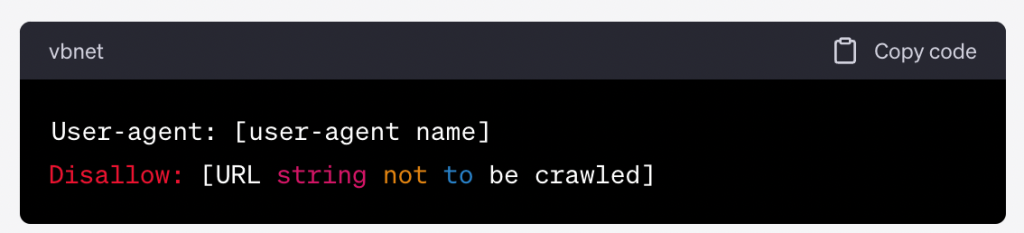
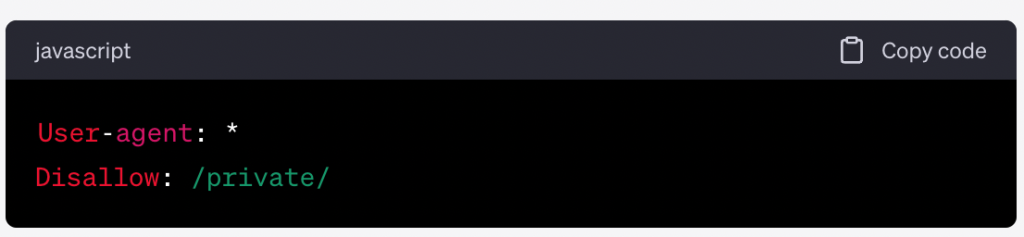
Many business owners don’t know this, but all websites contain something called a sitemap that helps search engines navigate and understand the website’s content. A part of that sitemap is a small text file called a robots.txt file. This file is used strategically to prevent search engines crawlers from either accessing specific pages or even your entire site, depending on the circumstances.

So why is blocking robots so critical when it comes to maximizing your crawl budget and boosting the visibility of your best content? Keep reading to find out!

What Is a Robots.txt File?

When we speak of blocking robots, it might evoke mental images of battling giant steel beings. In reality, it’s a strategy that webmasters and SEO experts have been deploying for decades.

In the world of SEO, robots are any type of “bot” that visit webpages. You’re probably most familiar with search engine crawlers like Googlebot, which “crawl” around the web to help search engines like Google sort through and rank billions of pages of content.

That’s where robots.txt comes in. Robots.txt is a part of your sitemap, a file listing every page on a website. These files are essentially a common language that websites use to communicate with web crawlers to help them understand your website content.

Search engine crawlers utilize these files to sort through, index, and catalog your website content.

If you have a robots.txt file, it can typically be found in the root of your website domain by adding /robots.txt after your domain. For example, www.example.com/robots.txt.

When you use your robots.txt.file for blocking robots, it serves as a kind of digital invisibility cloak that either disallows crawlers entirely or restricts their access to specific pages of your site.

Robots.txt vs. Meta Noindex Tags

If your goal is to prevent certain webpages from appearing in search engine results altogether, you want to use a meta noindex tag, or develop a page with password protection.

The reason for this is that robots.txt files don’t actually tell search engines not to index your content — it’s simply telling them not to crawl it.

Additionally, if external sites contain backlinks to pages you’ve opted to hide with your robots.txt file, search engines like Google are still capable of indexing that page. So it’s not always 100% foolproof.

Your best bet if you want to exclude a page from search engines is to use the noindex meta tag.

When to Block vs. When Not to Block

Not all robots come in peace. Although a robots.txt file can try to force bots to follow its commands, some malicious bots will ignore it entirely.

Does that mean you should block all bots from your site? Not necessarily. Blocking robots entirely can actually be detrimental to your website’s search engine visibility.

However, there are three common cases where blocking bots can work to your advantage.

1. Maximize Your Crawl Budget

Blocking robots from areas of your site that don’t need indexing can help optimize search engine crawlers’ resources. The last thing you want is for a crawler to miss out an essential piece of content because it was wasting time on an old, unused webpage.

Part of any successful content promotion plan is to highlight content that you do want to get seen. To achieve this, you can block robots from lower priority content such as duplicates or archived sections of your site.

2. Optimize Site Load Speed and Bandwidth

Some bots consume a lot of server resources, which place an incredible load on your server and slow down the site for actual visitors. Especially if your website has a large amount of content or pages that experience frequent crawling, a slowdown in load speed can amplify into a serious issue.

Blocking robots from pages with large media files that take considerable time to load or highly dynamic pages can reduce unnecessary strain on your server and improve your user experience.

3. Hide Irrelevant Information From the Public

When it comes to content on your site being found by search crawlers, there are some pages that may be pointless to include in search results. This might be information meant only for employees, shopping carts for e-commerce stores, or things like thank-you pages.

Giving these pages a piece of your valuable search real estate can detract from your content that you want to get seen — it’s usually easier to hide it.

However, if we’re talking about highly sensitive information, it’s generally safer to use a noindex tag, since robots don’t always follow the directives laid out in robot.txt files.

One thing to keep in mind is not all websites need a robots.txt file. If you don’t have an issue with crawlers having free rein of your content, then you might opt not to bother with adding one at all.

How to Configure Robots.txt

Don’t worry — setting up a robot.txt file is pretty straightforward.

Some content management systems (such as WordPress) will automatically create a robots.txt file for your site. You can also create and edit robot.txt files with popular SEO plugins like Yoast, or have an experienced webmaster handle it for you.

If you want to be able to edit your robots.txt file and give more specific directives, you’ll need to create a physical file that lives on your server. This process is a bit more involved, but generally, there are three steps:

  1. Choose a text editor: You can use any basic text editor such as Notepad or TextEdit.
  2. Draft your directives: This essentially hides certain web pages from web crawlers by preventing them from accessing the “private” directory on your site.
  3. Save and upload: Lastly, save the file as “robots.txt” and place it in your website’s root directory.

What to Include in Your Robots.txt File

When configuring your robots.txt file, you can choose to block all bots and crawlers from accessing your site or block specific crawlers.

To understand how to block search engine bots and crawlers you need to understand a few key terms:

  • User agents: These “names” are what bots use to identify themselves. If you want to block specific bots, simply insert their user-agent name in the robots.txt file.
  • Allow and Disallow: This indicates specific pages that you want to block bots from crawling.
Blocking robots: Example of disallow in txt file

Let’s say you want to block all search engine crawlers from accessing your website. The chances of this are pretty unlikely, but it does come in handy when you’re in the process of editing or developing a new website.

To do this, you would add the user-agent name “*” and then the disallow directive to your robots.txt file:

Example of code to block search engines crawlers from accessing your website

Now, let’s say you want to block bots from certain search engines such as Google, but not Bing or Yahoo. You can include the user-agent name for Google Crawlers by using the command “Googlebot/Disallow” like in the example below:

Blocking robots: Example to block specific search engines from your txt file

Best Practices for Using Robots.txt

Blocking robots is a delicate dance between ensuring your site’s key content is visible to search engines and hiding content that you don’t want search engines to rank.

Here are some best practices to ensure that you protect your site without hiding essential content:

  1. Be specific: Instead of blocking large chunks of your website, be precise about which web pages or directories you block. Blocking specific URLs can help maintain search optimization and block pages with sensitive information, but one wrong move and you risk hiding some of your best content by mistake. Working with an SEO partner that understands technical SEO is the best way to ensure that search engines can crawl and index your website without any issues.
  2. Test your directives: Google Search Console is your best friend when it comes to blocking robots and managing robots.txt files. Google’s Robot Testing Tool (robots.txt Tester) allows you to test your robots.txt file to make sure it works as intended. You can also check specific URLs to see if they are allowed or disallowed by your robot.txt directives, as well as edit your robots.txt directly before making changes on your live site.
  3. Update your robots.txt file regularly: As your website content grows and evolves, make sure to update your sitemap and robots.txt file regularly to reflect key changes. Again, Google Search Console provides an easy way to do this if your site isn’t built on a CMS like WordPress that generates a robots.txt file automatically.
  4. Avoid blocking key content: When specifying which parts of your site you want to hide from search engines, double check that you aren’t inadvertently blocking JS, CSS, or image files that are crucial for rendering your website correctly. You don’t want to lose visitors due to something as small as a key infographic or image that won’t load properly.

Leave Your SEO Strategy to the Pros

Navigating the complexities of robots.txt and other SEO tools can be challenging for business owners. From developing high-quality content to protecting user privacy and maximizing crawler resources, it can all feel overwhelming at times.

That’s where an SEO agency comes in. A powerful SEO strategy supported by a sitemap and robots.txt file that highlight your top content is a surefire way to drive more traffic to the right places.

Reach out to us today for a technical audit and fully managed content services. We’ll help you showcase the best of what your site has to offer.

Whether you’re the proud owner of a small business or you’ve just started a fledgling startup, it’s important to get the word out about your business. Digital marketing is, hands-down, the easiest and most affordable way to turn more heads and boost sales.

But which digital marketing strategies are actually worth your time and money?

If you’ve just started marketing your business, inbound marketing campaigns are the way to go. With inbound campaigns, you subtly promote your business to potential customers via social media, ads, email, influencers, and plenty of other channels.

It’s time to make your biz stand out. Check out this guide to learn how inbound marketing works and the nine most popular inbound marketing tactics to jumpstart business growth.

What Is Inbound Marketing?

Inbound marketing is a methodology where you create and share valuable content tailored to a specific audience. The goal isn’t to push your product or company on them, but to organically attract their attention by offering juicy information and valuable experiences.

Instead of pushing your message out, you draw customers in.

Outbound marketing is the opposite of inbound marketing. This is when you use tactics like cold calling or billboard ads to indiscriminately push your message onto anyone you can get ahold of.

Outbound strategies certainly can work, but consumers overwhelmingly prefer inbound marketing because it gives them time to think about your offerings and do their own research.

Successful inbound marketing campaigns will help your business:

  • Boost brand awareness
  • Build trust with your target audience
  • Improve lead generation
  • Increase conversion rates and sales

Instead of taking a “spray and pray” approach, inbound marketing focuses on creating relationships. You meet your audience where they are and solve their deepest pain points.

What’s an Example of Inbound Marketing?

Let’s say you own a startup that sells cool kitchen gadgets. A successful inbound marketing campaign might include these touchpoints:

  • Creating a blog on your website featuring recipes, kitchen hacks, and tutorials
  • Optimizing each blog post for search engines
  • Resharing blogs on Instagram, Pinterest, and Facebook
  • Sending a monthly email newsletter with free cooking e-books
  • Going live on social media with a celebrity chef or foodie influencer

These methods promote your kitchen gadgets in a more subtle way. You’re providing valuable, expert information and even entertainment, which shoppers appreciate way more than a hard sales pitch.

How to Do Inbound Marketing

You’ll start attracting more customers in no time with the right inbound strategy. Follow these steps to start doing inbound marketing for your business.

1. Conduct Audience Research First

Your inbound marketing strategy depends entirely on who you’re speaking to. After all, a B2B C-suite audience is going to respond differently to an email than a Gen Z college kid.

For starters, log all of your existing customer data in a customer relationship management (CRM) platform like HubSpot. If you don’t have existing customer data, you can learn more about your audience by:

  • Scoping out the competition
  • Sending surveys
  • Conducting one-on-one interviews
  • Checking Google Trends
  • Looking at your social media followers
  • Reading online forums

Use segmentation to categorize all your target audience into buyer personas based on shared characteristics. When you understand each persona’s pain points, you’ll better understand how to attract more qualified leads on the right platforms.

2. Make Brand Guidelines—and Follow Them

Most inbound strategies require marketing your biz on more than one platform. It’s important to maintain a consistent tone of voice throughout your campaigns, no matter how you promote yourself.

Create clear branding guidelines to maintain a consistent brand personality online. These guidelines should include guidance on grammar, word choice, fonts, and color palettes.

3. Create Valuable Content

Useful content is the bedrock of inbound marketing. The more valuable content you create for your followers, the more likely they are to reward you with their time and attention.

Create different types of content based on your target audience’s preferences. That might include:

  • Infographics
  • Whitepapers
  • Case studies
  • Podcasts
  • Webinars

Consult your buyer personas to see which content formats and channels would work best for your audience.

Content creation is important for inbound marketing, but creating that content isn’t always a piece of cake. You need to publish relevant content that positions you as an authority and helps you dominate the search engines—that’s not an easy task for a small business.

Press the “easy” button and work with MBE Group instead. Our SEO experts write long-form blogs and post them to your site consistently so you build a loyal following over time. See how we took a brand-new website from zero to 150,000 monthly visitors in just eight months.

4. Invest in Search Engine Optimization (SEO)

SEO works in tandem with high-quality content to help you stand out on search engines. Sixty-eight percent of all web traffic starts with a search engine, so optimizing your site for SEO is a smart way to stand out.

Keep in mind that SEO isn’t a get-rich-quick scheme. It requires months of effort and constant optimization to steadily boost your rankings. If you need to see results within just a few months, work with an SEO expert like MBE Group to create SEO-optimized content that piques searchers’ interest.

5. Leverage Social Media

You went through the trouble of creating quality content—share it with the world! Join the social networks that your buyer personas frequent the most. For example, a B2B marketing campaign would focus more on LinkedIn.

It’s great if you can check your social media marketing channels at least once a day, but that isn’t always practical for small businesses. If that’s the case, use marketing automation tools like Buffer to batch-schedule social posts all at once.

6. Nurture Leads Through Email Marketing

Did you know that email marketing is the best way to follow up with potential customers? Even a once-monthly email newsletter has the power to boost brand recall and foster deeper relationships with your audience.

To encourage more people to join your email list, offer a free e-book, guide, online course, or other enticing freebie on your website. People are often more than happy to opt into your email list if they think your content is informative, entertaining, or valuable.

From there, it’s as easy as engaging these subscribers with monthly or weekly email campaigns. Send them valuable guides, exclusive content, and product sneak peeks to maintain their interest.

7. Collaborate With Influencers

Influencers are content creation royalty. From Instagram to Snapchat to TikTok, influencers have their finger on the pulse of what’s hot (and what’s not) across the web.

Influencer marketing is an effective inbound marketing strategy because it allows you to borrow an influencer’s clout and promote your offerings to an audience primed for engagement.

You don’t have to start DMing influencers yourself, either. Join influencer marketing platforms like TapInfluence or Klear to source the perfect creators for your campaigns.

Most businesses treat influencer collabs as one-offs, but this marketing method benefits from repeat campaigns. Find influencers who are open to more long-term engagements. Consumers rarely take action when they hear about something for the first time, so repeated exposure could work wonders for your brand.

8. Utilize Paid Advertising

Paid ads are the most expensive of all inbound marketing tactics. We recommend investing in paid ads only after you’ve maxed out your other digital marketing avenues.

But if you want to take your biz to the next level, paid ads are a great next step. Promote yourself on Google Ads or Facebook Ads to generate more traffic to your site.

9. Measure Your Results

As with any marketing campaign, you need to measure your inbound marketing efforts regularly. Consult social media analytics or free marketing tools like Google Analytics for a better understanding of your metrics.

If you played your cards right, you should see an improvement in:

  • Total site visits
  • Time on page
  • Organic traffic
  • Conversions

You don’t need to obsessively monitor your metrics, but checking them a few times a month will tell you what’s working and where you need to course-correct.

Drive Website Traffic With Expert Content Marketing

Inbound marketing techniques are a must-have for attracting new customers to your business. While strategies like social media, email, and influencer campaigns will certainly turn heads, content marketing is the foundation of effective inbound marketing strategies.

If you don’t have 10 hours a week to devote to writing great content yourself, get an assist from MBE Group. Let the SEO experts take the reins while you focus on serving customers and growing your business.

Chat with us now to get personalized content marketing advice tailored to your inbound marketing strategies.

Do you have a project you need support with? Let's chat.

Get In Touch

ABOUT MBE GROUP

With 40+ years in mobility, tech and consumer goods, we build brands and solve tough challenges through smarter strategies, seamless design and solutions that scale.

SUBSCRIBE TO E-NEWSLETTER

    Built with Kit

    Office

    1441 West Long Lake Rd.
    Suite 330
    Troy, MI 48098

    Do you have a project you need support with?
    Let's chat.

    Get In Touch

    ABOUT MBE GROUP

    With 40+ years in mobility, tech and consumer goods, we build brands and solve tough challenges through smarter strategies, seamless design and solutions that scale.

    SUBSCRIBE TO E-NEWSLETTER

      Built with Kit

      DETROIT HQ

      1441 West Long Lake Rd.
      Suite 330
      Troy, MI 48098

      Copyright ©2026 MBE Group. All rights reserved.

      Privacy Policy

      Copyright ©2026 MBE Group.
      All rights reserved.
      Privacy Policy
