• TEAM
  • WORK
  • PACKAGES
  • BLOG
Get In Touch
  • TEAM
  • WORK
  • PACKAGES
  • BLOG
  • GET IN TOUCH
  • Partnership has enabled MBE Group to beta-test and internally deploy one of the most robust AI platforms available
  • MBE Group to serve as Preferred Licensed Reseller of the Prompts.ai platform
  • MBE Group to provide subscription discounts, along with consultative and adoption support for new users of Prompts.ai through real-world use cases

TROY, MI – (December 23, 2025) – MBE Group, a full-service marketing agency focused on the global tech, transportation/mobility, and consumer goods industries, has partnered with Prompts.ai to bring to market the industry’s first no-code AI command center that unifies more than 40 leading large language models (LLMs) like ChatGPT-5, Grok, Claude, and Gemini into one secure, intuitive interface. Through this partnership, MBE Group retains full access to the platform’s capabilities to use in support of client programs, provides consultative and platform-adoption support for users, and becomes a preferred licensed reseller of the enterprise-ready Prompts.ai.

For the past year, MBE Group worked directly with the Prompts.ai team to help develop the platform through alpha- and beta-testing, troubleshooting, user-experience optimization, and tools development. Through this, the agency was able to deploy the full platform internally, upskill its team, and continuously identify ways to bring more value to projects and clients through expanded creativity, enhanced analytics, and increased efficiency.

"Every AI model is different and provides widely varying responses to the same prompt. With Prompts.ai, we can instantly compare outputs from more than 40 major AI platforms to help us broaden our scope of creativity and create even better concepts and results,” said Frank Buscemi, CEO of MBE Group. "We have been involved at the ground level for the launch of a number of new products and brands, and participating in the development of Prompts.ai since its inception may be our most exciting initiative yet. This partnership is about empowering and embracing AI implementation that can help automate everyday tasks and build technical skills.”

Through the reselling agreement, MBE Group is equipped to offer subscription discounts as well as ongoing, consultative and platform adoption support for new Prompts.ai users aimed at expanding their AI skillsets through prompt development, agent-building, and other training. The agreement also ensures MBE Group has access to, and provides clients with benefits from, one of the most robust AI platforms available.

Steven Simmons, founder of Prompts.AI, added: "We're excited to partner with MBE Group to bring a more effective, enterprise-grade AI technology to a wider audience. Prompts.ai simplifies AI adoption, letting professionals focus on what matters: solving problems faster, collaborating better, and staying ahead. With interoperable workflows and real-time cost controls, this program turns AI from a buzzword into a daily advantage, boosting profits and empowering everyone to contribute meaningfully."

Prompts.ai enables content creators across marketing, finance, healthcare, retail, manufacturing, and other industries to master prompt writing through drag-and-drop simplicity, creating interoperable workflows that fit seamlessly into existing tools and boost productivity.

You've likely noticed the new buzzwords that have popped up in the world of digital marketing:
  • Answer engine optimization (AEO)
  • Generative engine optimization (GEO)
  • Artificial intelligence optimization (AIO)
It's left some marketers wondering: Does this mean SEO is dead? The short answer: not even close. At their core, all of these acronyms describe the same idea: helping people (and now AI tools) find and trust your business online through strong search engine visibility. Even though the digital landscape is shifting, the fundamentals still hold true. Search (human or AI-powered) runs on relevance, authority and accessibility. That means your strategy, content, website and PR still need to work together to move your brand to the top of the search results. Let’s break it down.

Strategy: Where is Your Audience?

There’s one question we come back to time and again: Where is your audience? Your SEO or AEO strategy should be grounded in where your audience actually searches. If your buyers aren’t there, you don’t need to force it. Start with a discovery audit that looks at your visibility, gaps and conversion opportunities. The impact: By mapping where your audience is actually searching – Google, Bing, ChatGPT, TikTok, YouTube or even industry forums – you avoid wasting budget on platforms that won’t move the needle. You also learn where competitors are pulling ahead, giving you the insights needed to decide where your brand should fight for attention and where you can safely ignore the noise. This is where strategy pays for itself, by focusing on what matters most to your customers.

Content: What Do Bots and Humans Want?

Bots are getting more sophisticated by the day and humans continue to expect information and a great experience. Good content serves both. It’s worth saying it again. Good content serves both.
  • Bots look for structured data, FAQs, first-party data (like surveys, studies or test results) and credibility signals (author bylines and bios, cited sources and expert quotes)
  • Humans want the same information, but they want it delivered in ways that feel natural, answer real questions and are visually easy to digest
  • Think scannable charts, videos, explainers and real-life stories
The impact: By publishing content that blends technical optimization with human-centered messaging and UX design, you position your content marketing to show up in both traditional search results and AI summaries. That’s critical because AI often cites content that is credible and easily parsed. If your brand isn’t creating this type of material, you’ll be left out of the conversation altogether. And when a potential customer is reading that AI Overview or scrolling results, it’s your content that shapes whether they believe you’re the most innovative or reliable solution. Great marketing starts with great content. It’s the base layer that supports every other tactic.

Website: Why Technical SEO Is Key for Visibility

We’ve all been there—you click a button while visiting a website and it leads nowhere. Or worse, it sends you to a page that doesn’t make sense. Those little slip-ups cost you conversions. That’s why quarterly technical health checks are critical. Metadata, page titles, load speed and broken links all impact the user experience, search performance and conversion rate. And you want to avoid subtle issues that can quietly drag down ROI. The impact: Investing in technical SEO and UX quality assurance is like laying down tracks before running the train. You can’t get anywhere let alone build long-term growth without the rails in place. By making sure pages load quickly and every button works, you build trust. And trust equals higher conversion rates because a customer who has a seamless experience is far more likely to buy, subscribe, submit or pick up the phone.

Digital PR: What Are the Authority Signals Influencing AI and Search

It’s not enough to just publish content. Citations, backlinks and mentions shape how you show up in AI Overviews and search results. If your competitors are showing up in more third-party sources, they’ll keep owning visibility. Your job? (Or ours!) Close the gaps. The impact: Think of digital PR as credibility insurance. When respected outlets, industry blogs or even local news sites are linking to your content or quoting your experts, it reinforces your authority in the eyes of both humans and machines. In an AI-driven world where LLMs (large language models) are pulling from trusted sources, this can make the difference between being the brand that gets cited or being invisible.

Monitor & Report: How to Tie SEO & AI Efforts to Real Outcomes

What do you want out of SEO (or GEO or AEO)? We recommend focusing on longtail prompts and keywords that reflect how your customers actually search. A phrase like “Which [X product] lasts longer for auto technicians?” will be more valuable than just“car parts.” The impact: You can directly connect search optimization efforts to meaningful business outcomes. By tracking the customer journey from search to action – whether that’s a form fill, demo request, phone call or sale – you know exactly which tactics are generating returns. This changes the conversation with leadership. When someone asks about ROI, you’re not stuck justifying rankings or organic traffic that doesn’t convert. Instead, you can point to clear attribution paths showing how content and optimization led to measurable results, like increasing quote requests by 20%.

How SEO and AEO Work Together to Drive Real Business Results

Here’s how the core tactics fit together into a real strategy and the outcomes they create:
 
Tactic What It Does Outcomes
Discovery & Audit Identifies visibility gaps and CRO opportunities Sets a clear roadmap; ensures budget goes where ROI is possible; reveals opportunities competitors may have missed
Content Optimization Aligns content for both bots (content structure, authority) and humans (pain points, credibility) Builds trust, improves rankings, drives qualified traffic; increases chance of being cited in AI overviews
Technical SEO Fixes metadata, speed, broken links, implements structured data and addresses UX issues Protects ROI, improves citations & conversions, avoids lost leads; strengthens brand trust through seamless experience
Digital PR & Citations Expands brand presence through mentions and links Boosts authority, visibility and AI overview placement; positions brand as industry leader
Monitoring & Reporting Tracks keyword rankings, AI visibility and conversions Proves ROI, guides future strategy; helps avoid wasted effort on tactics that don’t convert

Quality Content is Still the Answer

  The future isn’t about choosing SEO or AEO, it’s about packaging them together and using SEO as the foundation that makes your brand visible and AEO as an amplifier that extends that visibility into new channels. Real content. Relevant content. Distributed across formats and channels. That’s what builds visibility and reputation. Not sure where to start? MBE Group supports clients with content strategies and writing to support your business goals. Let’s chat.

Not every trade show can be met with a big product launch but that doesn’t mean you can’t capture attention to generate leads or earn media coverage. As a full-service marketing and communications agency, MBE Group supports clients at shows across North America like CES, AAPEX, SEMA and The Battery Show, as well as at international trade shows like the recent IAA Mobility Munich. As seasoned pros, we know that with the right strategy, you don’t always need “new news” to stand out.

How to Create a Trade Show Marketing Strategy Without a Product Launch

A trade show marketing strategy without new announcements is all about repackaging and amplifying what you already do best. Attendees and journalists aren’t just looking for “what’s new”, they’re looking for what’s most relevant. We have worked with many clients who gained media and customer attention by:

  • Reinforcing their brand story
  • Spotlighting customer success
  • Amplifying subject-matter experts
  • Providing in depth exposure to customer’s products and business practices
  • Speaking about industry trends


Ways to Obtain PR Results at Trade Shows

We’ve seen first-hand how PR support at trade shows can generate strong coverage when paired with smart storytelling and media access. PR results can be achieved by:

  • Pitching deeper dives into your technology instead of repeating high-level overviews
  • Creating compelling booth visuals or sizzle reels with a fresh feel
  • Hosting private media previews or off-site events to build buzz and exclusivity
  • Strengthening long-term media relationships with face-to-face meetings
  • Creating new connections between you and potential customers through introductions and networking

10 Ways to Maximize Trade Show ROI Without “New” News

1) Reinforce Your Core Story
Use the event to remind prospects and media what sets your brand apart. Instead of broad messaging, go deep and spotlight specific technologies or capabilities.

2) Maximize Digital Reach
We encourage clients to think beyond the booth. Social posts, especially on LinkedIn, multiply reach by bringing show conversations to a broader audience. Sharing photos, demos, behind-the-scenes content and video clips can generate engagement even from those not attending the event. Eblasts provide context to customers, while geo-fenced ad campaigns support your on-site efforts.

3) Showcase Customer Success Stories
Case studies and partnerships can demonstrate real value; share these at the booth, in presentations or even as short snippet videos for LinkedIn.

4) Lean Into Thought Leadership
Thought leadership builds trust and credibility so, share your team’s perspective on industry trends, challenges and opportunities. Being able to confidently speak about where the industry is headed positions your leadership and product teams as the experts people turn to before, during and after the show.

5) Elevate Your People
Your subject-matter experts are your best asset. Put them on panels, on camera with media (or even a quick cell phone video for posting on social) and at the booth to chat with your prospective customers.

6) Focus on Relationships
Trade shows are about connecting with people. Use the time to meet with media and customers (both existing and future) to grow relationships.

7) Highlight the Future
Talk about what’s in development and where the company is headed. Future-focused investments in products and people show your brand is evolving.

8) Create Fresh Visuals & Experiences
New booth visuals and updated messaging can grab attention. Displays don’t have to be about new products; instead, the content can be presented in a fresh way. That could mean a high-energy sizzle real on a large screen, or a short-form video running on loop on a laptop or interactive touchscreens that let attendees explore your technology at their own pace. Pair that with hands-on demos and refreshed graphics to create show experiences that resonate. Explore new mediums and bold techniques that stand out on the crowded show floor.

9) Invest in Face Time with Media
Consider hosting a “first look” preview before the show opens, or after hours over coffee or cocktails to create exclusivity. Off-site media luncheons or panels can also deliver high-impact visibility. They are often pay-to-play but are a direct way to get in front of a large group.

10) Gather Intel
Track competitor messaging, identify industry shifts and note customer feedback, this intel may help shape your future strategy.

We Can Help Build a Trade Show Marketing Strategy That Works

You don’t need a splashy launch to get value from a trade show. With the right marketing strategy and strong PR support, you can reinforce your brand, engage your audience and generate ROI that lasts beyond the event.

At MBE Group, we help clients craft strategies that deliver, whether they’re debuting something new or building momentum with their existing brand story. Our team is involved with dozens of events each year. From booth visuals and media outreach to thought leadership campaigns and digital amplification, we make sure you show up strong. Contact us if you need event support.

Our team continues to learn more and more about the quickly evolving AI space, including how SEO and AI work together. We’re deep in a technical SEO project, combing through server logs to understand how AI bots interact with the client’s site and one key insight stood out: bots are spending a lot of time on video pages.

This might not come as a surprise if you’ve been watching how search is evolving, but it’s a signal that marketers can’t afford to ignore. In fact, platforms like Instagram, Facebook and YouTube AI systems are indexing public-facing Reels, Stories and video content. So, what does this mean for your marketing? Your captions, descriptions and transcripts are critical.

If video is part of your content mix, it’s time to start thinking beyond production value. Discoverability is now shaped by how AI reads your content.

Let’s break down what that means in practice.

Context Is Everything, Even to Machines

You wouldn’t publish a blog post with a vague headline and no subheadings or keywords. The same logic of course applies to video.

Descriptive, keyword-rich titles and detailed descriptions are about helping both people and algorithms understand what your video is and who it’s for.

For example, “Exciting Product Demo” tells us nothing. But “Live Demo: How Our EV Fleet Management Tool Cuts Charging Downtime by 30%” gives both your audience and AI-powered search engines something meaningful to latch onto. Even better? Use phrases people might actually type into a search bar: “How to reduce EV fleet downtime” or “Best tools for managing electric delivery commercial vans.”

In other words, think of your video’s metadata like you would a blog post.

AI Reads Everything Including Captions

What’s easy to overlook is that AI doesn’t stop at the title. It scans closed captions, transcripts and on-screen text, too. For marketers, that’s an opportunity.

Uploading transcripts to platforms like YouTube and LinkedIn is good for accessibility and it turns your video into a searchable, scannable asset. Bonus: those transcripts can also be repurposed into blog content, email copy or social media posts.

On platforms where people scroll with the sound off (like Instagram and Facebook), captions and subtitles are doing the heavy lifting. They improve both engagement and offer important context that AI uses to categorize and recommend your content.

Optimize What Your Have Already

Let’s be honest, producing new video content is expensive and time-consuming. But most brands already have a backlog of great footage that’s sitting underused.

That hour-long webinar or podcast episode? Cut it into short, focused clips and upload them with clear, optimized descriptions. Past installation videos or product demos? Pull out key moments and reframe them with a new angle, fresh hashtags and relevance to current industry trends.

Even a quote from an employee video can be turned into an animated reel or a short-form Story. We’ve seen brands boost reach and engagement just by reintroducing existing content with better packaging. Simply recognizing the value in what you already have and presenting it in ways that AI systems (and readers) can rediscover.

Use AI Tools, but Don’t Lose Sight of the Strategy

Tools like Descript, Opus Clip, and yes, even ChatGPT, can absolutely help you optimize video content faster. They can generate transcripts, summarize interviews, suggest video titles or help you break up long-form content into shorter clips to share.

But these tools don’t know your audience. They don’t understand the nuances of your brand that make it different. They can’t connect a customer pain point to a product differentiator the way a good strategist can. So yes, lean on automation but use it to scale your strategy, not replace it.

What the Algorithms Want Varies by Platform

This part’s easy to miss, but critical: each platform has its own AI engine, and they all surface content differently. What performs well on LinkedIn probably won’t cut it on Instagram. YouTube favors retention-heavy, searchable content like tutorials and explainer-videos with consistent naming and clear thumbnails. LinkedIn performs best with thought leadership, especially shorter clips that get to the point quickly. Facebook still likes native uploads with captions, while Instagram thrives on vertical, human-centered content.

The best way to “optimize for AI” is to optimize for the context in which the AI is operating.

Semantic Keywords

We’re not just optimizing for search terms anymore, but optimizing for contextual meaning.

Semantic keywords are related terms and concepts that help AI understand what your content is really about. They’re part of how Large Language Models (LLMs) “think” about content, grouping together ideas, questions, and intent, even when specific words don’t match.

If your video is about “fleet electrification,” including references to “range anxiety,” “charging infrastructure” and “route optimization” adds semantic depth. This helps AI know your content belongs in conversations beyond just your primary keyword.

In short: you’re helping machines make connections, so your content gets surfaced when and where it matters most.

Discoverability Is Crucial

To bring these strategies to life, we’ve broken down some practical tips and examples below summarizing key areas where you can start optimizing your video content for AI-driven discovery today.

Treat your video titles and descriptions like blog posts

LLMs thrive on context:
Descriptive, keyword-rich titles and detailed descriptions help AI understand what your content is about and who it’s for

Be specific:
Swap “Exciting Product Demo” for “Live Demo: How Our EV Fleet Management Tool Cuts Charging Downtime”

Add natural language:
Use phrases real people might search: “how to improve range anxiety in EV fleets,” not just “EV solutions”

Include a short summary that answers: What is this video? Why does it matter? Who should watch?

Optimize your captions and transcripts

AI reads everything:
Closed captions and transcripts make your content accessible and supercharge searchability

Create transcripts:
Upload clean transcripts to YouTube and LinkedIn. Bonus points for breaking them into logical segments

Use subtitles:
On Instagram and Facebook, use subtitles on screen to boost engagement (most users scroll with sound off)

Pro tip:
Transcripts can double as SEO-ready blog content or fuel for future social posts.

It’s OK to repurpose and not reinvent

Before investing in new video content, ask: What do we already have that we can optimize or slice up?
Turn long-form webinars into a series of 60-second clips tailored for LinkedIn or Instagram.

Animate stories:
Pull quotes or stats from past videos to create animated reels or vertical stories.

What’s currently trending?
Reframe older videos with new SEO-friendly descriptions and hashtags tied to current trends.

Pro tip:
Repackaging high-quality content can increase its reach all while reducing production costs, without sacrificing impact.

High production value doesn’t guarantee reach anymore. In this new AI-shaped ecosystem, discoverability is what matters. That means:

  • Describing content in natural, detailed language
  • Uploading transcripts and captions
  • Repurposing strategically
  • Thinking semantically
  • Adapting per platform

We’re entering an era where how your content is structured is just as important as what you’re saying.

Need help making sure your video content is seen and found for all the right reasons? We help brands build video strategies that work across today’s AI-powered content landscape. Optimization, repurposing and strategic alignment all included. Chat with our team.

When some people think an off-road enthusiast, they may imagine a narrow persona: younger, male, hard-core, always upgrading. While that’s certainly one segment, it’s not the only segment and if you’re only talking to this group, you’re missing out.

We’ve worked with off-road and aftermarket brands long enough to know that assumptions don’t sell parts. Understanding your actual customer does. And in today’s market, two very different, but equally valuable, audiences were driving growth for our client:

1) The 50-60 Year Old Off-Roader: High-Intent, High-Investment (New or Experienced)

This group might be seasoned gearheads or they might be new to the off-road world entirely. But one thing they have in common? They’re all in.

We’ve seen firsthand that this audience:

  • Often has the time and disposable income to invest in serious upgrades
  • Makes decisions with intent: they research thoroughly, read reviews and expect detailed product info
  • Values reliability and long-term performance over flash
  • May prefer to work on their vehicles themselves or bring upgrades to a trusted local shop

Many in this age group are entering the off-road lifestyle post-retirement or after raising families. For some, this is their first off-road build. For others, it’s their fifth. Either way, they’re both tinkering and they’re investing.

They may not document every install on social media, but they may be active in forums, share feedback in Facebook groups and trust brands that show up with consistency and real-world proof.

If your marketing overlooks this audience, or treats them like an afterthought, you’re likely leaving revenue on the table.

2) The Tech-Savvy First-Timer: Younger, Digital-First and Eager to Share

Then there’s the rising wave of first-time off-roaders.

They’re newer to the scene, but not passive. They:

  • Research before buying
  • Watch YouTube tutorials
  • Document their installs with GoPros
  • Share their builds on social media, TikTok or Reddit
  • Are proud to show their learning process, even the mistakes

This audience is deeply engaged and quick to become brand advocates as they are not just buying products but looking to build their identity as off-roaders one post or engagement at a time.

The Opportunity: Use Tech-Savvy Customers to Market to Everyone

Here’s where things get interesting.

We helped an aftermarket clients tap into this second group, the younger, digital-first enthusiasts – as a UGC (user-generated content) engine to reach both audiences.

We encouraged real customers to:

  • Record installs
  • Share product reviews
  • Show before-and-after shots of their rigs
  • Post real-world usage on the trail

We discovered that the effects of their engagement extended well beyond their immediate peer group and created a powerful and authentic content pipeline which engaged older, experienced modifiers, too. Why? Because the content was useful. It showed install steps. It answered questions. It validated product quality. And it came from real people.

Why It Works

When brands invite customers into the storytelling process:

  • Credibility goes up
  • Engagement grows
  • Product confidence increases
  • And content costs go down

Think less ‘viral post one-off’ and more of a repeatable structure where your community becomes your content team and your most effective marketing channel.

Takeaway: Know Who You’re Selling To, Then Let Them Help You Sell

Off-road isn’t one audience. It’s many.

If you’re a brand in the aftermarket space or in any other industry, don’t rely on stereotypes or gut instinct. Do the research. Look at your order data, social mentions or support tickets. Talk to your dealers and power users.

Once you know who your customers really are, you can build messaging that actually resonates with them. Not to mention, improve your product along the way to build something superior in the marketplace.

And when you let the right customers help tell your story, people listen.

Whether you need sharper customer insights or a UGC strategy that actually drives sales, our team can help. Let’s talk about how to turn your customers into your best marketing asset and your research into real results.

As a testament to his impactful career in automotive communications, Tom Marx, co-founder of Marx Buscemi Eisbrenner Group (MBE Group), has been named the 2025 ACC IMPACT Award winner by The Automotive Communications Council (ACC). This prestigious recognition highlights Tom’s outstanding innovation, leadership and significant contributions to the industry over the years.

The ACC IMPACT Award, the organization’s highest honor, was presented to Tom at the recent ACC Headwaters Conference in Minneapolis. With over 30 years of strategic marketing expertise, Tom has left a lasting mark on the automotive, heavy duty parts and motorsports sectors. Known for his business acumen and as a mentor and hands-on leader, his unique background as a Porsche service center owner and race car driver provides him with unparalleled insight into client needs.

All of us at MBE Group are proud that one of our co-founders has received this distinguished recognition. Tom’s achievement reflects the core principles upon which our company was built: innovation, strategic thinking and an unwavering commitment to excellence in automotive communications.

Leadership Rooted in Experience and Service
Tom Marx has served as ACC president and remains an active participant in industry groups like the Specialty Equipment Market Association, Auto Care Association (formerly AAIA), and MEMA. His ongoing involvement underscores his dedication to advancing the industry.

The ACC IMPACT Award acknowledges individuals who exemplify traits such as being an innovative thinker, an inspirational leader, and a tireless advocate for growth. It stands for Innovation, Mentorship, Professionalism, Achievement, Commitment, and Tenacity, celebrating those who excel professionally while contributing meaningfully to automotive communications. For more information about the ACC IMPACT Award or the Automotive Communications Council, visit acc-online or email [email protected].

The great thing about digital marketing is that it makes your brand accessible just about everywhere. While separate disciplines like email marketing and search engine optimization (SEO) are technically separate, content marketing doesn’t happen in a vacuum.

Email marketing gives you direct communication with your most loyal fans, fostering one-on-one communication, while SEO focuses on boosting search engine rankings and your place in organic search. But with their powers combined, SEO and email marketing create a powerful synergy that improves brand awareness, increases conversions, and generates more value for less hassle.

Sure, email marketing and SEO are two different things, but they pair so well together that it’s a match made in digital marketing heaven. In this guide, we’ll explain how a well-executed email marketing campaign can play right into your SEO efforts, plus four actionable tips to maximize the value of combining email and SEO.

The Beautiful Synergy Between Email Marketing and SEO

We get it. You’re trying to focus on growing your business and might not have hours of extra time on your hands. Investing in both email and SEO might sound like too much, but these strategies have an undeniable synergy that’s not only amazing for your business, but easy to pull off (with the right approach, of course).

When combined, email marketing and SEO have a dramatic effect on:

  • Brand awareness: A solid SEO strategy puts your brand front and center on search engine results pages (SERPs), but email can help get the word out even more. After all, folks have to be pretty interested in your brand to become email subscribers. Reaching this interested demographic with a timely newsletter could make a huge difference, keeping your business top of mind when it’s time for shoppers to make a purchase.
  • Organic traffic: Email is a powerful tool for content distribution and amplification, helping you reach a wider audience and drive more traffic to your site. You don’t have to come up with new content all the time, either. Email newsletters are a prime opportunity to repurpose content, so get the word out on your latest articles, guides, and case studies.
  • Search engine rankings: Email newsletters aren’t a search engine ranking factor, but they contribute to SEO indirectly. When email subscribers engage with your email content and click on links, it reduces bounce rates, increases time on page, and signals to search engines that your web pages provide relevant content to searchers. Search engines take note of that, which could improve your spot in Google search over time.
  • The user experience: Email marketing gives you the power to segment subscribers based on order history, interests, demographics, and virtually any other data point. Email list segmentation makes it a cinch to personalize email marketing content, which improves the user experience. When you send resources to these target audiences, they’re much more likely to find your content interesting, leading to longer session durations. Taken together, that leads to a big boost in SEO juice, not to mention more conversions from interested site visitors.

The bottom line is that, while email marketing and SEO are different, they feed into each other. Aligning these digital marketing strategies creates a self-sustaining cycle of organic traffic and engagement that reinforces itself over time, turning your campaigns into an engagement automation machine.

How to Make the Most of Email Marketing and SEO

Email marketing and SEO are complex disciplines in their own right. Fortunately, you don’t have to be a marketing savant to leverage them. Follow these practical tips to optimize email marketing and SEO for maximum impact.

Optimize Email CTAs to Boost Organic Traffic

Calls to action (CTAs) tell your audience what they should do next. CTAs are staples on landing pages, but they’re also a must-have for any email newsletter.

In fact, a well-placed email CTA can have a tremendous impact on your SEO efforts by driving subscribers to a target web page. Search engines like to see traffic bumps, so the higher your email click-through rates, the better your SEO rankings will be.

Of course, you need to persuade people to click on your CTAs. Ditch generic language like “Click here” that doesn’t tell your subscribers what to expect. Instead, go with action-oriented phrases like “Read the guide” or “Get your freebie.”

But don’t let the fun end there. Optimize your landing page with additional internal links. This gives your subscribers more high-quality content to enjoy, boosts time on site, and tells search engines your site is worth visiting. It’s a win-win-win.

Distribute Evergreen Content With Newsletters

You work hard to create marketing content. Instead of letting blogs languish in obscurity, revive them with an email marketing strategy. Leverage email newsletters to promote evergreen content that’s always relevant. Not only do you save time by not having to write new copy, but you also drive traffic to your website for little added effort. Unlike time-sensitive posts, evergreen content remains relevant over time, providing ongoing value to your email subscribers and improving search engine rankings.

If you aren’t sure what content to promote, check your website, email, or social media analytics. Historical data will tell you which posts or topics your followers will find most interesting.

Leverage UTM Tracking to Measure SEO Impact

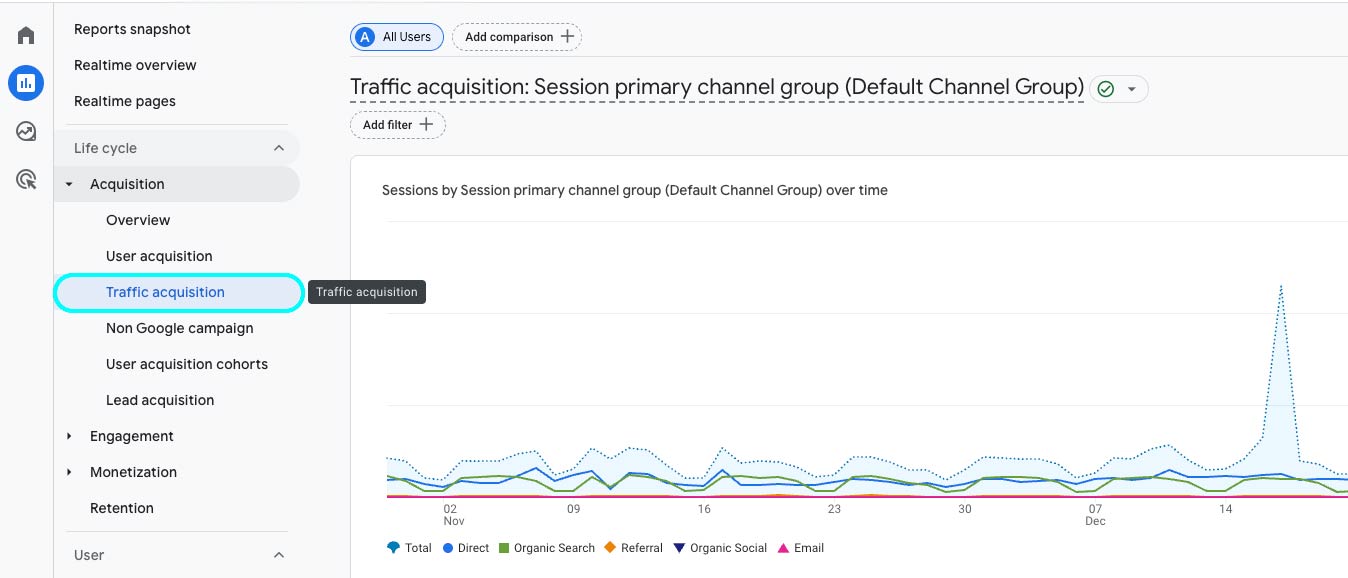
This next bit will sound a little technical, but stay with us here. UTM stands for “Urchin Tracking Module.” It’s a fancy way of saying you can add specific language to an email newsletter link, which allows you to track the effectiveness of each newsletter. With UTM parameters, you add snippets of text to the end of a URL so it’s easier to track performance metrics.

UTM tracking usually includes:

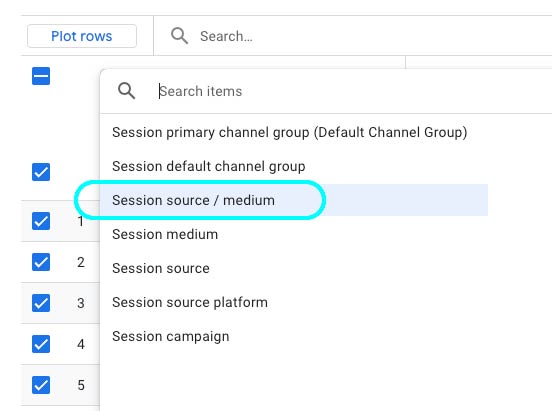
  • Source: This identifies where the traffic came from, whether from social media or your email service provider.
  • Medium: This data means the type of traffic, like email, social, or paid.
  • Campaign: Not all UTM parameters include campaign data, but it’s helpful for understanding unique newsletter performance if you’re sending multiple emails at once.

You can also get more granular by tracking by content or term, but these three parameters are usually more than enough for basic tracking.

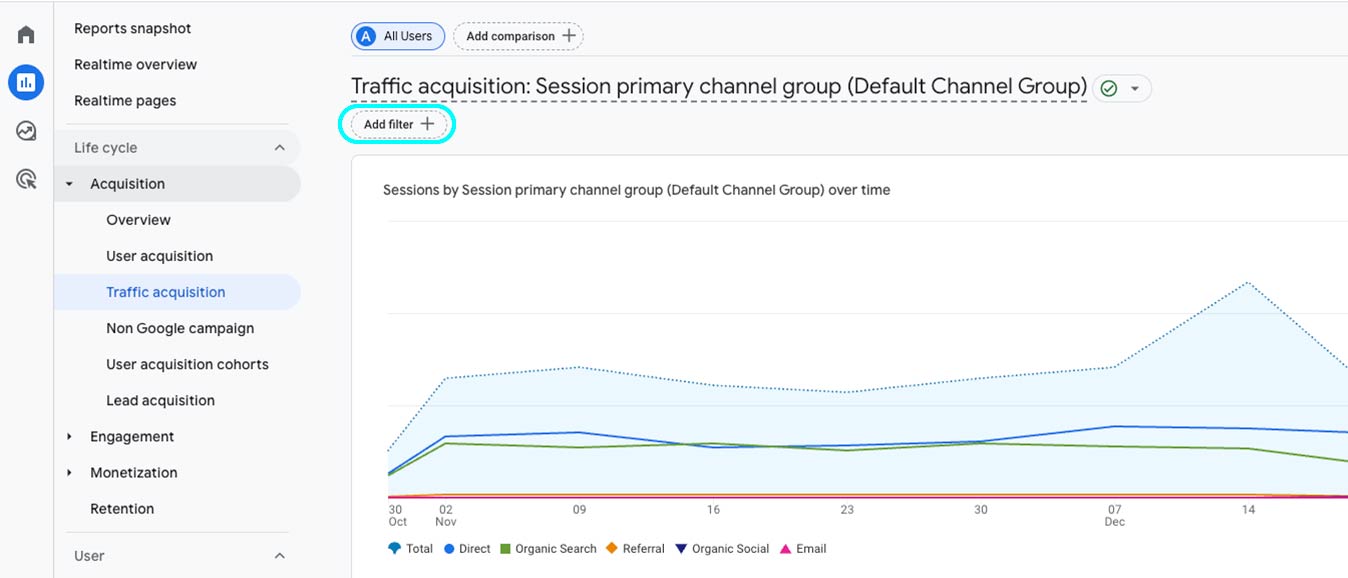
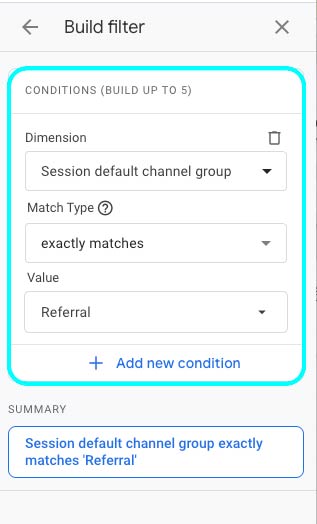
By adding UTM parameters to links within your email newsletters, you can track how much organic traffic and engagement your emails generate through Google Analytics. By analyzing which landing pages perform best and how email subscribers interact with your website, you can fine-tune your approach to maximize both SEO and email marketing marketing efforts.

You don’t need to know how to code to do this, either. Ask your email service provider about UTM tracking, and they’ll be happy to set you up.

Encourage Email Subscribers to Share and Link to Content

Both email marketing and SEO get a lift when subscribers share and link to your content. When subscribers forward your email newsletters, share blog posts on social media, or reference your articles on their own websites, it increases referral traffic and helps build backlinks, strengthening your site’s domain authority.

Of course, convincing your subscribers to share content is a struggle that’s as old as time. Every audience is different, but you can encourage more shares through:

  • Incentives: Offer rewards like discounts, exclusive content, or giveaways for subscribers who share your content.
  • Sharing buttons: Make it effortless for subscribers to share your email content by adding social media buttons directly in your email newsletters. Highlight shareable sections with pre-written social posts to make sharing even easier.
  • Asking for responses: Ask subscribers to respond to emails with their own insights, success stories, or testimonials related to your content. Highlight subscribers who frequently share your content, whether through social shout-outs or special email features. When people see you recognize their contributions, they’re more likely to continue sharing and linking.

Algorithm-Proof Your Digital Marketing Strategy

Who says you have to choose between email marketing and SEO? This powerful duo creates a self-reinforcing feedback loop that drives traffic, boosts search engine rankings, and increases conversion rates. What’s not to love?

There’s no need to spread yourself thin. Follow the tips in this guide to maximize the value of both email marketing and SEO without overwhelming your internal team.

If you don’t have 10 hours a week to dedicate to digital marketing, email content, SEO, and everything in between, let the professionals take the reins. MBE Group’s team of SEO pros handles everything from marketing strategy to content creation to provide the results you need with zero hand-holding. Contact MBE Group to get more results from email marketing and SEO.

As a digital marketer, you’ve likely poured countless hours into your website’s SEO strategy.

You’ve done your keyword research, optimized your content for search, and built high-quality backlinks. But if you’re not extending those SEO efforts to social media, you’re missing out on a massive opportunity to amplify your online presence.

SEO and social media are no longer separate entities; they’re complementary forces that, when strategically aligned, can dramatically increase your brand’s visibility and drive substantial traffic to your site.

So how exactly do these two digital marketing powerhouses work together? And what steps can you take to create an effective SEO social media strategy? Keep reading to find out!

What Is Social Media SEO?

Social media SEO is the process of optimizing your social media profiles and content to boost visibility both within social platforms and in search engine results pages (commonly known as SERPs).

While traditional SEO focuses primarily on website content, social media SEO extends those principles to your social presence.

How Social Media Directly Impacts SEO Rankings

John Mueller, a search advocate at Google, has stated numerous times over the years that social signals — likes, shares, and comments — aren’t a direct ranking factor. But that doesn’t mean that SEO and social media aren’t connected.

Here’s how the two work in tandem to enhance your online presence:

  1. Increased content visibility: When your social media content gains traction, it has the potential to reach more customers, which increases the chances of earning backlinks.
  2. Greater brand awareness: Showing up on social media consistently with high-quality content keeps your brand top of mind among your target audience. This leads to more brand searches — a powerful ranking signal.
  3. Extended content lifespan: Social media platforms like Instagram and TikTok give your website content multiple opportunities to gain visibility long after it’s published.
  4. Improved local SEO: Keeping your social media profile active and up to date with consistent NAP (name, address, phone) information can strengthen your local search presence.

How to Build a Powerful SEO Social Media Strategy

To create an effective strategy, you must first understand how search engines interact with social platforms, as well as how users search within social networks themselves.

Follow the following five steps to get the most out of your social media SEO.

Step 1: Optimize Your Social Media Profiles for Search

Your social media profiles often appear near the top of the search results when users look for your brand. Make them work harder for your SEO by:

Creating Consistent, Keyword-Rich Profiles

Incorporating keywords into your social media profiles increases your chances of appearing in both platform-specific searches and Google search results when potential customers are looking for what you offer. This creates multiple entry points into your brand and strengthens your overall digital footprint.

Here’s how to integrate strategic keywords into your profiles:

  • Use your exact business or brand name consistently across all social media platforms (in both your handles and display names).
  • Include relevant keywords in your bio/”About” section.
  • Link your website URL across all profiles.
  • Include your business address and phone number where appropriate (this is especially important for local SEO).

For example, let’s say you’re optimizing your LinkedIn profile. You might use keywords that target the industry you’re working in (e.g., content marketing) in your headline, as well as in your “Services” and “About” sections to capture more search traffic.

Implement Structured Metadata

Structured data helps search engines better understand and display your social profiles. This technical optimization creates a stronger connection between your website and social accounts, improving how both appear in search results.

Here are some ways to implement structured metadata:

  • Use a Schema.org markup on your website to link to your social media profiles.
  • Ensure Open Graph tags to control how your webpages appear when shared on social media.
  • Add X Cards to attach photos, videos, and media to your Tweets and help drive traffic to your website.

Step 2: Make Your Social Content Searchable

For younger generations, TikTok is becoming the new Google search. Each social media platform now has its own search algorithm, and understanding how to optimize content for social search on each platform can significantly increase your content’s visibility.

Here’s how you can make your content more search-friendly to improve both performance and discoverability:

Incorporate Relevant Keywords

Keywords aren’t just for your blog posts — they play a major role in your SEO social media strategy, too:

  • Research platform-specific keywords using tools like TikTok Keyword Insights or Pinterest Trends.
  • Include these keywords naturally in your captions, descriptions, and hashtags.
  • Add keywords to video titles, descriptions, and subtitles on video-first platforms like YouTube and TikTok.

Use Strategic Hashtag Research

Similar to keywords, hashtags act as a bridge connecting your content to relevant searches. To level up your hashtag strategy:

  • Use a mix of broad hashtags (e.g., #fashion, #travel, #workouts) and niche hashtags (e.g., #springfashiontrends, #toysforsmalldogs, #budgettraveltips).
  • Research trending hashtags in your industry.
  • Create and promote branded hashtags (e.g., Coca Cola’s #ShareACoke campaign was a global success that used personalization to connect with potential customers and drive sales).
  • Limit hashtag use to 3–5 per post to avoid having your captions look overly spammy.

Don’t Forget to Optimize Visual Content

When it comes to SEO social media strategy, what’s in your content is just as important as what’s under it. In other words, your visuals matter just as much as your captions and hashtags:

  • Add alt text to images for SEO and accessibility, creating a better user experience.
  • Include keywords in file names before uploading (yes, Google’s algorithms do read image file names to obtain information about image content).
  • Add text overlays to images and videos where appropriate to help users and search engines better understand your content.
  • Create high-quality infographics for static posts like Tweets and LinkedIn posts that encourage sharing.

Step 3: Leverage Social Trends to Drive Website Traffic

With proper search engine optimization, viral social media posts can drive significant traffic to your website. And while brand awareness is valuable, there isn’t much use in going viral if it doesn’t lead to tangible results for your business.

Here’s how you can combine virality and SEO to get more organic traffic and better business outcomes:

Develop a Short-Form Video Strategy

Platforms like TikTok and Instagram Reels offer massive organic reach potential. Here are some ways you can pivot your existing content strategy to hit short-form video consumers:

  • Create “teaser” content for upcoming products or launches that drive viewers to your website to get the full scoop.
  • Include keywords in both video captions and spoken content.
  • Add compelling calls to action that direct viewers to your link in bio.
  • Repurpose longer-form content like blog posts or YouTube videos into bite-sized, engaging video snippets to improve reach.

Influencer Collaborations

When influencers share content about you, it can extend your brand’s reach exponentially. Here’s how to make the most of your influencer partnerships:

  • Develop an influencer marketing strategy that supports your SEO goals.
  • Partner with niche influencers whose audience closely matches your target audience.
  • Create co-branded content that links back to your website (such as a guest blog post).
  • Track metrics like referral traffic from influencer campaigns to ensure your efforts are generating a positive return on investment.

Step 4: Use Social Media to Build Relationships

One of the most important reasons to be on social media lies right in the name: social. It’s an excellent way to build relationships, which can lead to valuable backlinks and engagement that boost SEO.

Focus your relationship-building efforts in two key areas:

Connect With Industry Players

The following tactics can help you use social media to strengthen your linkbuilding efforts:

  • Engage with other accounts in your industry, particularly thought leaders and major publications.
  • Share and comment on content from potential link partners to build trust.
  • Join relevant groups/communities on platforms like Facebook and X (formerly Twitter) and provide valuable insights.
  • Use social listening to identify linkbuilding opportunities.

Engage With Your Audience

Meaningful engagement does more than build community—it strengthens your SEO.

Search engines increasingly consider user engagement metrics as indicators of content quality. For example, a post that generates 50+ comments will typically outperform a similar post with minimal engagement, as platforms prioritize content that creates meaningful interactions.

These engagement signals can indirectly benefit SEO by increasing content reach, driving more traffic, and creating opportunities for natural backlinks.

For a bump in user engagement:

  • Respond promptly to comments and messages on all platforms.
  • Ask questions that encourage user-generated content and discussions.
  • Create shareable content that naturally invites audience interaction.
  • Monitor and participate in conversations about your brand or industry.

Get even more juicy audience engagement secrets here.

Step 5: Align Your Content Strategy With SEO Targets for Best Results

Your SEO and social media strategies should share common goals and build upon each other. Here’s how to create alignment between the two:

Target the Same Keywords Across Channels

Your content creation shouldn’t focus on separate target keywords for social media and your website.

Instead:

  • Conduct comprehensive keyword research that applies to all channels.
  • Integrate your primary SEO keywords into your social bios, captions, and posts naturally.
  • Create social-specific variations of target keywords (like certain variations you can use for hashtags).
  • Monitor which keyword-focused posts generate the most engagement across social media channels.

Build a Promotion Calendar for Website Content

You work hard on your website content — ensure that each piece gets a strategic social promotion plan. For instance:

  • Create an initial announcement post on social when a new blog post goes live.
  • Schedule follow-up posts highlighting different takeaways from the same content.
  • Re-promote evergreen content regularly (every 2–3 months).
  • Update and reshare seasonal content annually.

Develop Content Pillars

Your content creation should be informed by strategic content pillars that strengthen both your SEO rankings and social media presence simultaneously.

Content pillars benefit your digital strategy by establishing topical authority through consistent, related content that signals expertise to search algorithms while creating multiple entry points for audience discovery across platforms.

Here’s how to implement content pillars in your integrated SEO social media strategy:

  • Identify 3–5 core topics that align with your highest-priority keywords.
  • Develop monthly or quarterly themes based on those topics.
  • Create complementary content across your blog and social channels.
  • Cross-promote related content to build authority in your niche.

For instance, if “sustainable living” is a pillar topic, you might create a month-long focus with blog posts on eco-friendly home products, reducing household waste, and energy conservation tips, supported by social content highlighting key takeaways from each piece.

Final Thoughts: Integration Is Key to Your SEO Social Media Strategy

The most successful digital marketing strategies no longer treat SEO and social media as two separate entities. By developing an integrated SEO social media strategy that leverages the best of both worlds, you can amplify your content’s visibility, build stronger connections with your target audience, and drive more organic traffic to your website.

And whether you’re talking about SEO or social media, there’s one key driver of success: high-quality content. Focus on creating valuable, relevant content that serves your audience’s needs, then optimize that content for both search engines and social media.

Ready to take your digital presence to the next level? Contact us today to discover how our team of SEO experts at MBE Group can help you build a cohesive content strategy that gets your brand ranked on Google and amplifies your online presence.

Search engine optimization (SEO) can feel like a never-ending game of catch-up. Not only do you need to post a steady stream of quality content, but you also need to nail the nuances of technical SEO and tracking performance metrics.

But there’s one area that even the SEO experts can’t seem to agree on: What’s the role of social signals in SEO?

Likes, shares, and comments on Instagram might seem completely unrelated to where your website appears in the search engine rankings, but that’s not entirely true. Google’s John Mueller has shared that while social signals aren’t a direct ranking factor, a strong social media presence can still have a big impact on SEO performance.

From driving organic traffic to building backlinks and boosting brand visibility, integrating social media marketing into your SEO strategy can transform how potential customers perceive your brand. Since being active on social media is a branding best practice anyway, you deserve to get a little SEO juice from your social media efforts, too.

In this guide, we’ll break down how social media platforms work with SEO and share some helpful tips for securing higher positions in the search engine results pages (SERPs).

Should I Care About Social Signals in SEO?

SEO professionals have argued about the role of social media in SEO for years. Search engines are staying suspiciously silent on the exact role that social media plays in SERP rankings, but there’s a good chance it has an indirect impact on your online presence.

Some SEO pros claim that you should focus your resources on creating high-quality content for your website or earning backlinks. And they’re right: These activities are great for boosting SEO!

But that doesn’t mean you should ignore social media, either.

Google doesn’t directly consider social signals, but alternative search engines like Bing do consider them as ranking factors. Google is the top search engine, but overlooking social signals could mean missing out on traffic from other sources.

Ultimately, social media has an influence on your search engine rankings, even if it doesn’t directly affect your Google ranking. You should care about social signals in SEO because they have the power to:

  • Improve online visibility: Engagement on social media sites increases the reach of your content, making it more visible to your target audience. For example, social platforms like Reddit and LinkedIn are great ways to amplify your reach with content distribution. That leads to more organic traffic from users clicking through social posts, plus more linkbuilding opportunities for your brand. These activities tell search engines that your content is valuable, leading to better rankings over time.
  • Boost domain authority: Social signals may not directly affect your Google rank, but they do have an indirect effect on the trustworthiness of your site. For example, social sharing can result in backlinks from credible websites, boosting your website’s ranking. Even unlinked mentions of your brand on social networks can strengthen your site’s SEO performance. Neat, right?
  • Forge a better brand image: What’s good for users is good for search engine rankings. The more people trust you, the better your rankings will be. A strong social media presence increases brand visibility and recognition, offering much-needed social proof that persuades your audience to engage with your brand. Google’s algorithm loves to see engagement, so this is a one-two punch for both sales and search engine rankings.

4 Practical Ways to Integrate SEO Into Your Social Media Strategy

Social media content is the perfect way to meet customers where they are. If you’re already on social media, why not tweak your approach slightly to earn a little SEO power at the same time? Try these practical tips to boost the impact of social signals in SEO.

1. Repurpose High-Performing Content

Look, businesses of all sizes struggle to create content regularly. The good news is that you don’t have to reinvent the wheel every time you post. It isn’t a content marketing faux pas if you repurpose high-quality content.

With this approach, you transform your best pieces into different formats to maximize their reach. For example, you can repurpose blogs into short, engaging videos to boost social media engagement. Share these videos on YouTube, TikTok, and LinkedIn — and don’t forget to pepper in some relevant keywords in the video titles and descriptions. Always link back to the full blog in the video description to earn an easy backlink.

That’s just one approach. You can also turn blogs into visuals, like infographics or Instagram posts, and convert long-form content into carousel posts on Instagram. If you need a lead magnet for LinkedIn, combine a few of your most compelling blogs into a free eBook with a strong call to action (CTA).

Repurposing content is a great way to revisit some of your best ideas in new formats. But if you don’t have the time to crank out content, partner with MBE Group’s SEO and digital marketing pros to transform your big ideas into organic traffic that converts.

2. Create Shareable Content Formats

We love a good blog post, but how shareable is that, really? Engaging content is a must, but you want social media posts that go viral. The best way to reach more folks in your target audience is to create shareable content formats with bite-sized information.

Consider different formats like:

  • Infographics, which are highly shareable on platforms like Pinterest (hello, backlinks!)
  • Short-form videos on TikTok, Instagram Reels, or YouTube
  • Shareable Instagram images with short quotes or tips
  • Polls and quizzes
  • Memes and GIFs

Remember, you don’t have to write an original piece of content every time you post. Recycle ideas from time to time with different formats that will boost engagement and SEO performance.

3. Optimize Social Media Profiles for Organic Search

Here’s a little SEO secret: Search engines care about your social media profile. Make it easier for search engines to find your social media platforms by:

  • Integrating keywords: You don’t need to overdo it, but sprinkling relevant content in your social media profile can improve SEO. Include primary keywords in your bio, username, and post descriptions, if possible. If you target users in a specific location, add a few geo-targeted keywords (like “accounting firm in San Francisco”) to attract more users from your area.
  • Optimizing your photos: As always, make sure you use a professional profile picture and cover photo that aligns with your brand. But before uploading the photo, change the file name to include your primary keywords. Search engines look at back-end data like photo file names, so this little trick could help with ranking.
  • Tweaking your bio: Treat writing a bio like creating a landing page. This is a short paragraph that tells users what you’re about, but it’s also one of the social signals in SEO. Highlight your unique value proposition and include target keywords here. Hashtags are good for discoverability, but use them sparingly so you don’t overwhelm visitors.
  • Linking to your website: Most social platforms allow one link in your bio, so treat this as a juicy backlinking opportunity. You can link to your website’s home page, but consider sharing links to landing pages, e-books, or link trees to funnel users to the right place.
  • Being consistent: Every social media platform is a little different, but your profiles should be relatively consistent across all sites. Users and search engines hate inconsistencies, so if you update one profile, update them all to match.

4. Build Credibility With UGC

User-generated content (UGC) is the holy grail of marketing. Studies have found that UGC is 35% more memorable than other types of content and garners 50% more user engagement. The great thing about UGC is that it turns heads on social media platforms but also serves as a social signal in SEO.

UGC builds brand awareness by leveraging content made by your customers, influencers, and other brands. By leveraging authentic content created by your target audience, you can build trust, increase your number of social signals, and improve your search engine rankings.

However, UGC can be tough to come by, especially for new businesses. Follow these quick tips to generate UGC from multiple social media accounts:

  • Share reviews and testimonials: When you get a testimonial, shout about it from the rooftops! Highlight positive reviews on your social media profiles and website. Use your target keywords in posts about these testimonials to boost their reach in Google search. They’re also a great addition to product pages for e-commerce SEO.
  • Encourage UGC: It takes time, but you can encourage more of your followers to create content around your brand. Consider holding a contest inviting customers to share their experiences with your brand. If you make it fun and lively enough, customers will be eager to share their experiences without the promise of a prize. Create branded hashtags to encourage followers to share their experiences. Cute examples like #ShareACoke create a branded experience that also makes it easier for your team to spot UGC in crowded social media feeds.
  • Integrate UGC in your social posts: Social media platforms like Instagram, TikTok, and Facebook are ideal for sharing user-generated content. Repost customer photos, videos, and stories that showcase your products (with users’ permission, of course).
  • Run ads with UGC: Social media advertising can get pricey, but if you’ve already maximized organic traffic, it’s worth a try. There’s no need to create new content, either. Repurpose customers’ UGC (again, with their permission) to create compelling ads that win over your target audience.

Go Beyond the Algorithms With MBE Group

Social media puts your brand in front of hundreds of potential customers. Some businesses consider SEO and social media to be two separate disciplines. That’s technically true, but there’s synergy between the two that you can leverage to boost website traffic.

Social signals in SEO have an indirect effect on your business. While they won’t revamp your social presence overnight, the tips in this guide will help you see more results from your SEO efforts.

Still, we know that both SEO and social media management aren’t for the faint of heart. While it’s possible to DIY everything, you might not have the extra time on your hands to continually create and share high-quality content.

That’s where we come in. MBE Group crafts strategic content tailored for B2C, B2B, and D2C brands looking to establish brand authority and aiming for greater traffic and growth. Contact us to enjoy the one-two punch of social signals in SEO.

Gone are the days when stuffing keywords into content was enough to rank on search engine results pages (SERPs).

Today’s search engine algorithms have evolved to focus more on what truly matters: the human experience.

So if your website isn’t delivering a seamless and enjoyable user experience (UX), your search engine optimization efforts may fall flat.

But what exactly is the relationship between user experience and search engine optimization (SEO)? And how can you leverage this connection to boost your SEO rankings and drive more organic traffic to your home page and key landing pages? That’s what we’ll help you figure out.

In this guide, we’ll explore how a positive user experience has become a cornerstone of modern SEO strategy and give you actionable tips to optimize your website for both search engines and real people.

Understanding the Relationship Between User Experience and SEO

User experience refers to how people perceive and interact with your website’s user interface (UI) and overall functionality. It encompasses everything from how fast your web pages load to how easily visitors can navigate your site structure.

While traditional SEO strategy placed its focus on technical elements like keyword research and linkbuilding, search engines now factor in user behavior signals when determining search rankings. This shift makes perfect sense, since Google’s primary goal is to serve users high-quality content that satisfies their needs and aligns with their search intent.

Consider these stats about how the user experience affects SEO:

  • The vast majority (88%) of online consumers are less likely to return to a website after a poor user experience.
  • A one-second delay in load time can reduce conversion rates by up to 20% in retail.
  • Mobile users are five times more likely to abandon their task if a site isn’t optimized for mobile-friendliness.

These numbers reveal an important truth: A lack of usability doesn’t just frustrate visitors, it actively harms your digital marketing efforts.

How User Experience Influences SEO Performance

Search engines are getting increasingly sophisticated at measuring how users interact with your site. These user behavior signals serve as indicators that directly impact your search rankings.

Here are four key UX factors that search engines consider to determine your SEO performance:

1. Bounce Rate and Dwell Time

When users click on your website from a search listing but then quickly return to Google (also known as “pogo-sticking”), it signals to search engine crawlers that your content didn’t satisfy the user’s query.

Similarly, “dwell time” refers to how long users spend on a page after clicking on a search result before returning back to the search engine results page.

High bounce rates and low dwell times can negatively impact your user experience and SEO, lowering your position in the SERPs over time.

Conversely, when visitors spend a significant amount of time engaging with your site, it suggests that your web page provides real value. This can boost your position in search engine results.

2. Mobile-Friendliness and Responsive Design

Thanks to Google’s mobile-first indexing, your site’s performance on mobile devices directly impacts your SEO rankings.

With mobile users now accounting for over half of all web traffic worldwide, responsive UX design that adapts seamlessly to different screen sizes isn’t just optimal for usability — it’s an essential ranking factor.

3. Site Speed and Core Web Vitals

Google’s Core Web Vitals — metrics that measure a site’s load performance, interactivity, and stability — have become official ranking factors in Google’s search algorithms.

Remember: Slow page load times frustrate users and can cause them to abandon your site before interacting with your best content or clicking on your calls to action (CTAs). This is especially frustrating for businesses that invest in creating high-quality content, only to have it undermined by technical issues.

At MBE Group, we’ve seen countless clients whose expertly crafted content never reached its full potential simply because these technical factors weren’t properly optimized. That’s why we work with our clients to develop a proactive content strategy and regularly monitor content analytics to identify and resolve any performance issues before they impact rankings.

4. Website Navigation and Site Structure

A logical site architecture with a clear category hierarchy and strategic internal linking helps both users and search engines understand and navigate your content.

When visitors encounter intuitive navigation and can easily find what they’re searching for, they’re more likely to stay longer on your site and visit multiple web pages, sending positive signals about user satisfaction.

An SEO-friendly site architecture also helps search engines discover and index more of your pages — when you link from popular pages to deeper content, you’re essentially telling Google, “These other pages are important, too.” This makes your less-visible content more discoverable in search results.

SXO: Where User Experience and SEO Meet

With UX becoming more critical to search performance than ever, it has given rise to a new approach: search experience optimization (or SXO).

SXO is the perfect marriage of user experience and SEO. This content strategy focuses on optimizing not just for search engines but for the entire user journey — from understanding a user’s search intent to bringing about better conversion rates.

We love SXO because it emphasizes that the most effective SEO strategies are user-centric rather than solely focused on algorithms. By emphasizing content creation that genuinely serves user needs and delivering that valuable content through an accessible, user-friendly website, you set yourself up for success with both your target audience and search engines.

This approach is particularly effective for e-commerce sites, where both functionality and visibility are essential.

5 Practical Strategies to Enhance UX for Better SEO Rankings

Now that you understand the critical relationship between user experience and SEO, we’ll share the exact tactics you can start implementing today for better search performance.

1. Optimize Site Structure and Website Navigation

Your site organization serves as the foundation for both user satisfaction and search engine crawlability. A well-planned architecture ensures visitors can find information with minimal friction, while helping crawlers better understand your content. Some tips:

  • Implement a clear, hierarchical site structure with logical categories.
  • Keep your main navigation simple and use clear wording (e.g. “About Us,” “Contact Us”).
  • Use breadcrumbs to help users understand their location on your site (e.g., Home > Blog > Category > Post).
  • Create detailed sitemaps for both users and search crawlers.
  • Implement effective internal linking strategies.

2. Improve Page Speed and Load Times

Every millisecond counts when it comes to keeping visitors engaged and meeting Google’s performance expectations. Here’s how to improve your site speed for better user retention:

  • Use Google PageSpeed Insights to identify any issues.
  • Compress your images (ideally without sacrificing quality).
  • Minimize HTTP requests to improve site performance.
  • Leverage browser caching to free up server loads.
  • Consider implementing Accelerated Mobile Pages for your most important content to help those pages load faster.
  • Use a content delivery network to deliver content efficiently to users worldwide.

3. Prioritize Mobile Optimization for All Devices

Making your site truly mobile-friendly not only satisfies Google’s mobile-first indexing requirements, it also meets users where they increasingly browse and shop — on their smartphones. Here’s what to do:

  • Implement responsive design, which has the advantage of adapting to all screen sizes.
  • Make sure buttons and CTAs are properly sized for touch interactions.
  • Avoid intrusive interstitials (or page elements) that block key content.
  • Test your site’s functionality on various mobile devices.

4. Enhance Content Readability and Accessibility

The way you present your content directly impacts how both users and search engines engage with it. Making accessibility a priority of your content creation not only expands your potential audience, it also aligns with search engines’ focus on user-centric experiences.

To make your content more accessible:

  • Use descriptive headings (H1, H2, H3) to organize and present your content.
  • Break up large chunks of text with bulleted lists and images, and use shorter paragraphs (think 100 to 200 words max).
  • Choose font and background colors with sufficient contrast for greater readability.
  • Add interactive elements such as clickable infographics or toggles that encourage engagement.
  • Create content that invites user participation like polls, quizzes, or comment sections.
  • Include alt text for all images (this is important for both accessibility and SEO).
  • Implement proper semantic HTML, or the use of easy-to-understand HTML tags, for better crawler indexing.

5. Use Structured Data for Better Indexing

Structured data is the translator between your content and search engines, helping them better understand your content’s context and meaning. By providing this additional layer of clarity, you enhance search visibility and improve the odds of users clicking on your search listing.

To get more clicks on your listings:

  • Use schema markup to provide context about your content.
  • Stand out in search results by creating rich snippets.
  • Add customer reviews, FAQs, and other specialized content types to your schema markup.
  • Ensure your backlinks are properly structured.

Stronger Together: a Great User Experience and SEO

We’ve explored why optimizing for the user experience is crucial for SEO. And while UX is ever-growing in importance, traditional SEO practices aren’t dead just yet.

Your content strategy framework should consider both UX and SEO, because keywords, quality content, and high-quality backlinks remain fundamental ranking factors for search engine algorithms.

If you take one thing away from this guide, it should be this: The best website designs shouldn’t force you to choose between UI/UX and SEO. A great user experience and effective search engine optimization are complementary forces that work together to generate an amazing online presence.

By creating an intuitive navigation, ensuring fast load speeds, and prioritizing accessibility in your content and design, you’ve crafted a digital experience that will improve your search engine rankings and genuinely serve your target audience’s needs.

Ready to Transform Your Site With a UX-Driven SEO Strategy?

UX optimization is an ongoing process and should be a key focus of your digital marketing efforts. Regularly audit your site structure, monitor user behavior data, and adjust your content strategy as needed to meet evolving user expectations and search engine requirements.

Need help optimizing your site for both user satisfaction and search engines? MBE Group specializes in creating winning content strategies that balance technical SEO needs with exceptional content.

Contact us today to learn how we can elevate your digital presence, strike the perfect balance between the user experience and SEO, and drive more organic traffic using the power of user-centric SEO.

Do you have a project you need support with? Let's chat.

Get In Touch

ABOUT MBE GROUP

With 40+ years in mobility, tech and consumer goods, we build brands and solve tough challenges through smarter strategies, seamless design and solutions that scale.

SUBSCRIBE TO E-NEWSLETTER

    Built with Kit

    Detroit HQ

    1441 West Long Lake Rd.
    Suite 330
    Troy, MI 48098

    Do you have a project you need support with?
    Let's chat.

    Get In Touch

    ABOUT MBE GROUP

    With 40+ years in mobility, tech and consumer goods, we build brands and solve tough challenges through smarter strategies, seamless design and solutions that scale.

    SUBSCRIBE TO E-NEWSLETTER

      Built with Kit

      DETROIT HQ

      1441 West Long Lake Rd.
      Suite 330
      Troy, MI 48098

      Copyright ©2026 MBE Group. All rights reserved.

      Privacy Policy

      Copyright ©2026 MBE Group.
      All rights reserved.
      Privacy Policy